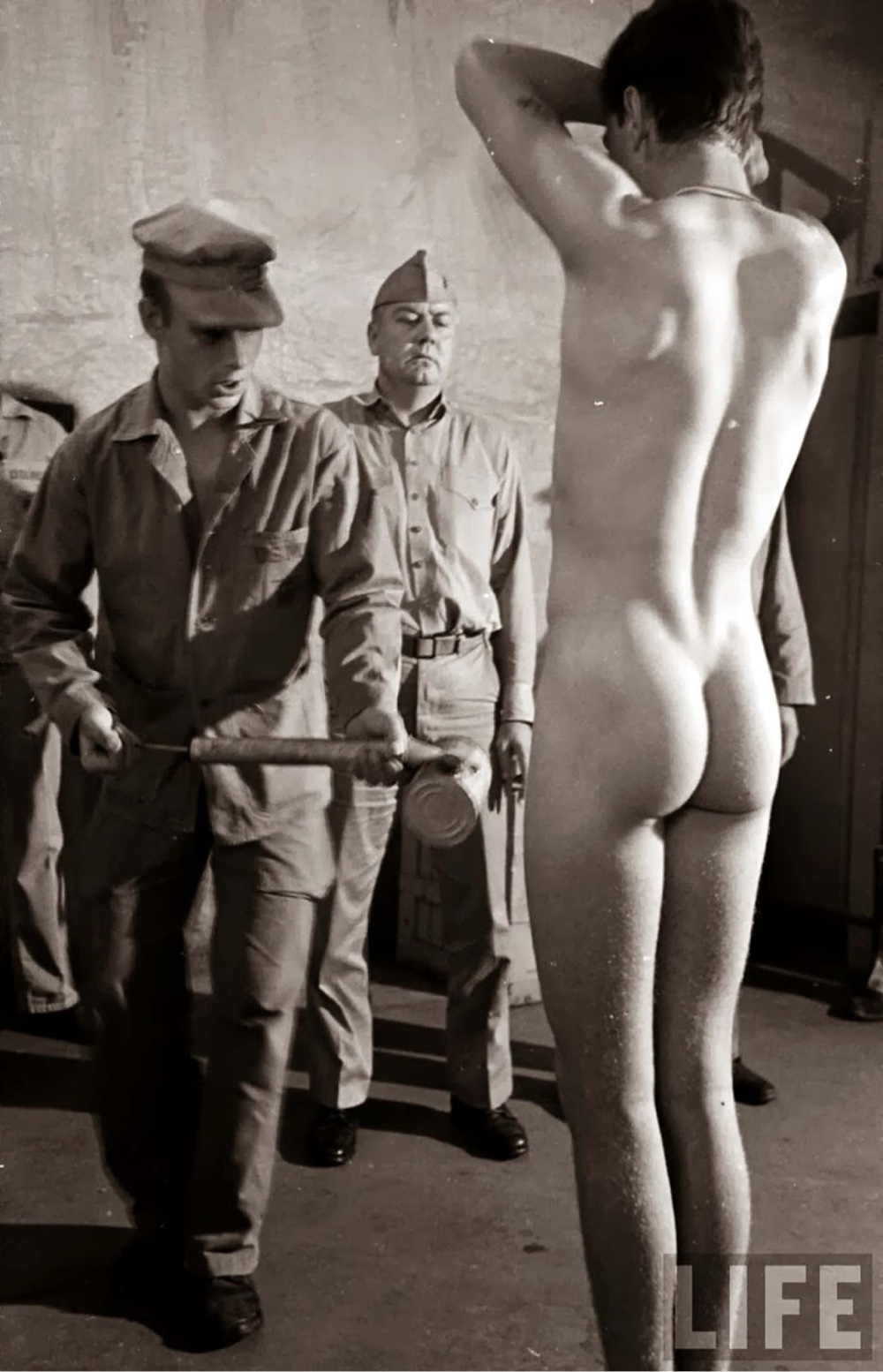
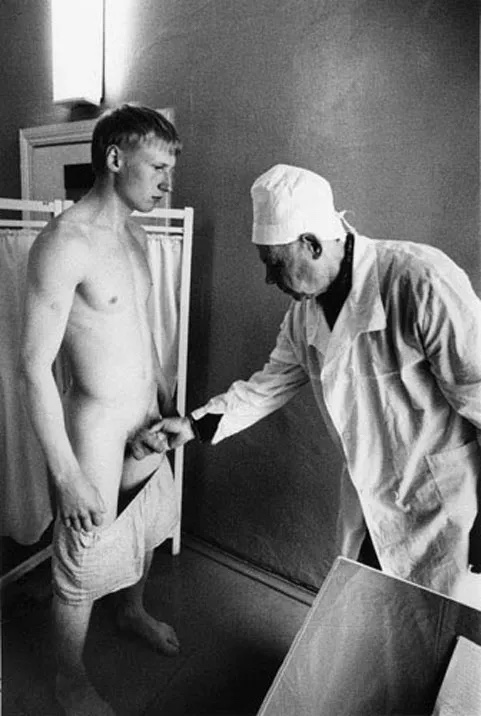
Yesterday, while reading, I came across a reference that stopped me in my tracks: gay men in Toronto rubbing the bare butt on a statue for luck. As both a gay man and a museum person, that kind of detail lights up every curiosity circuit in my brain. The scene also reminded me of the old military practice of the “short arm inspection”—the venereal disease check that required soldiers to line up and present themselves for examination. Little moments of sexualized institutional history like that have always existed in the margins, half whispered but universally known.
And so it seemed fitting that the statue in question was the Alexander Wood monument that once stood in Toronto’s Church and Wellesley Village—a monument rooted in its own scandal of inspection, accusation, and rumor.
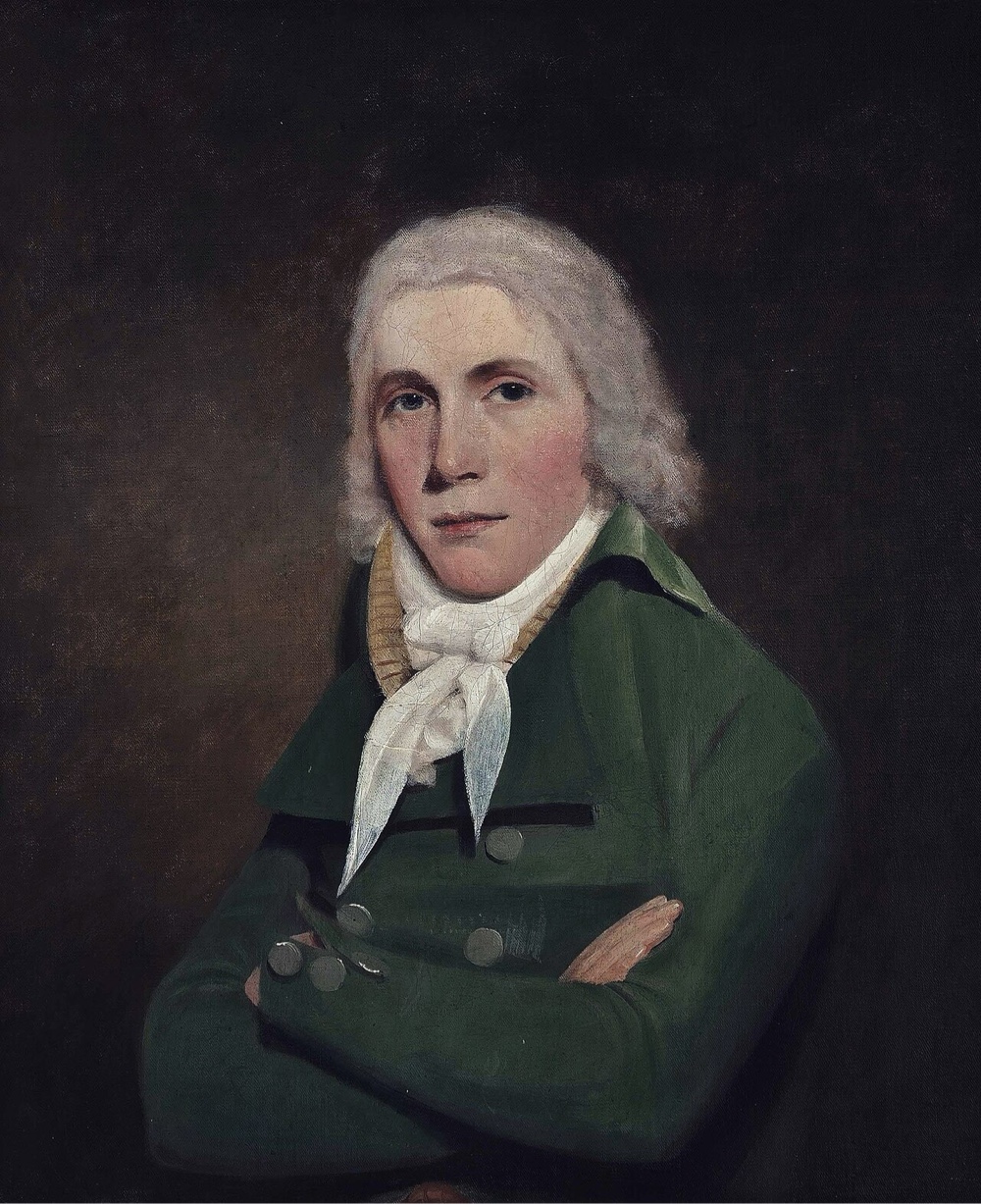
Alexander Wood (1772–1844) was a Scottish merchant and magistrate who became a prominent figure in early Toronto (then York). He served in several civic roles and was involved in shaping the young colony. But today, he’s remembered primarily for a scandal that forever marked his reputation—and later, queer history.
In 1810, a young woman named Miss Bailey claimed she had been sexually assaulted. Her description was vague, but she insisted she could identify the assailant by marks on his genitals.
As a magistrate, Wood investigated the case, questioning several male suspects. Historical accounts state that he personally inspected their genitals to look for corroborating marks.
This highly unusual method sparked gossip and ridicule.
What makes the incident even murkier is that many historians doubt the woman’s existence altogether. Some believe “Magdalena Nagle” may have been invented—either by Wood, his rivals, or the community at large. The absence of solid records fueled speculation in his own time and afterwards.
Regardless, the scandal led to public humiliation and accusations—spoken and unspoken—about Wood’s sexuality. Though never charged with wrongdoing, he fled temporarily to Scotland before quietly returning to his life in Upper Canada.
In 2005, Toronto’s LGBTQ+ community sought to commemorate queer history in public space. Although Wood’s sexual orientation is not documented, many queer historians reclaimed him as a possible queer ancestor—a man punished socially for perceived sexual deviance long before there was a vocabulary to defend himself.
Thus the community commissioned a statue honoring both his life and his place in queer memory.
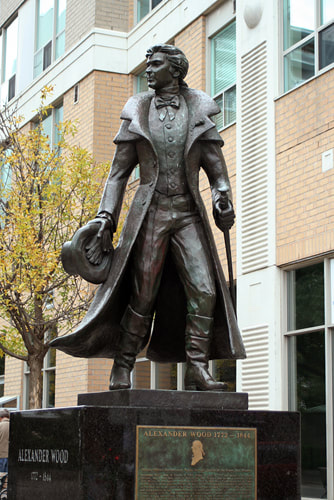
lThe bronze sculpture, created by Del Newbigging, depicted Wood in early-19th-century attire—not a military uniform, but the formal dress of a gentleman of his era. His pose was confident, with one hand tucked behind him and the other holding a walking stick.
At the base of the statue was a plaque showing an engraved tableau: a young militia soldier with his pants partially lowered, presenting his bare buttocks for Wood’s infamous inspection. That image wasn’t part of the main statue—it was the plaque that made the scandal visually explicit.
And then came the charmingly queer detail: Newbigging openly stated that he modeled the soldier’s butt on the backside of his own partner.
A gift of love, art, and cheeky community pride.
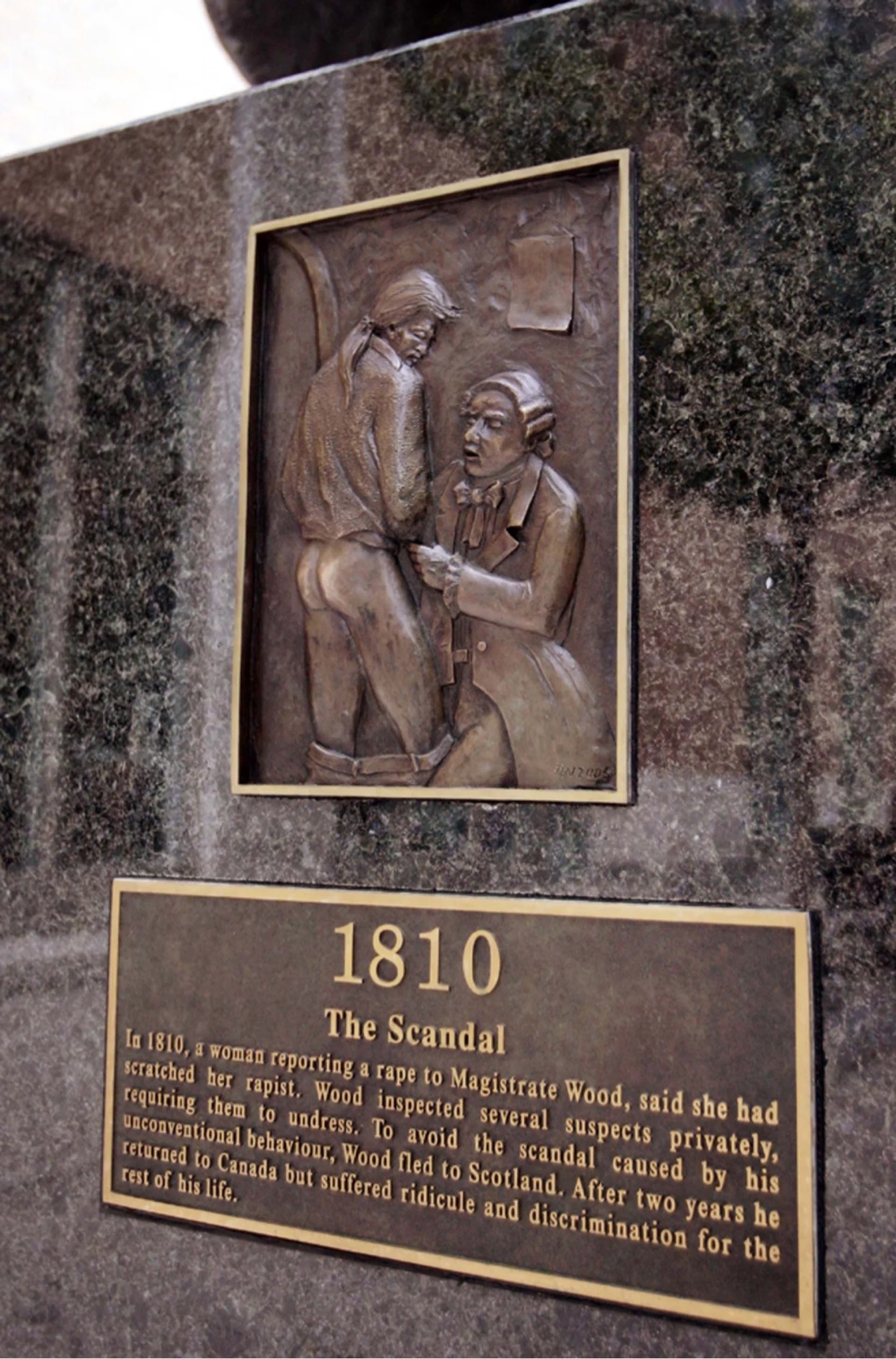
The Village quickly embraced the statue with a sense of humor. Gay men began rubbing the bare butt on the plaque for luck, and as is always the case with bronze, repeated contact polished the metal to a gleaming shine. What started as a joke became a familiar ritual—a flirtatious, communal wink at queer history.
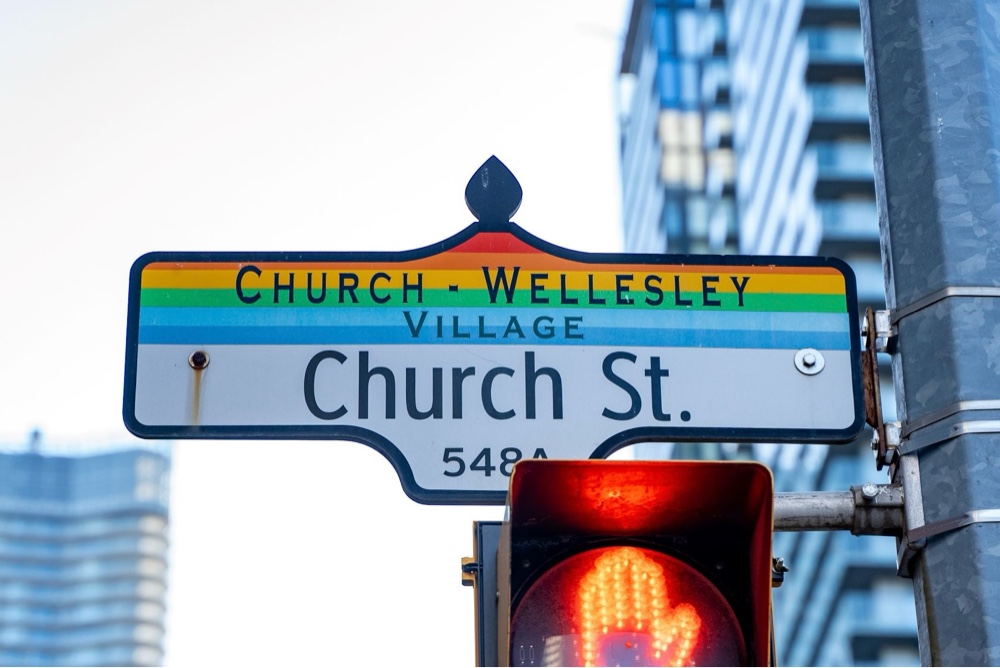
Placed at the entrance of Church and Wellesley, the statue served as a landmark for Toronto’s queer community. It stood in a district deeply associated with LGBTQ+ identity, activism, and resilience, marking the neighborhood with a figure reclaimed from historical shaming.
For many, it symbolized both pride and solidarity—a public monument that didn’t hide the queer interpretation but made it impossible to ignore.
Over time, the statue’s presence became more complicated. Some critiques focused on its campy sexualization or the historical uncertainty of Wood’s queerness. But a more serious criticism emerged:
Alexander Wood served on the Society for Converting and Civilizing the Indians and Propagating the Gospel Among Destitute Settlers in Upper Canada—an organization whose mission and practices were part of the colonial machinery that later contributed to the development of the Indian residential school system in Canada.
For Indigenous activists and allies, Wood’s connection to early assimilationist institutions made him an inappropriate figure for public commemoration. This dimension of his legacy was long overlooked but gained prominence in recent years as Canada confronted the deep harms of residential schools.
The statue thus became not only a queer symbol but also a site of contested memory.
When the site was sold to a condominium developer in 2022, community groups requested that the statue be relocated rather than removed. But issues of ownership, cost, and ongoing controversy complicated the process.
The statue was taken down quietly.
Placed in storage.
And ultimately destroyed—a loss that felt abrupt and painful to those who viewed it as a cornerstone of Village identity.
The Alexander Wood statue existed at the crossroads of queer reclamation, artistic expression, colonial history, and community identity. Its destruction leaves a literal void in the Village streetscape—a reminder that public memory is fragile and often shaped by forces beyond our control.
The polished bronze butt on the plaque may be gone, but the story remains:
of queer history reclaimed, contested, celebrated, and sometimes lost
And maybe that is the nature of queer memory itself—surviving in the stories we continue to tell.

12 comments:
Very interesting history piece. I m feeling his ties to the assimilation society in recent times had drew more negative view of him. In these recent years we see honoring individuals with statues or naming something for them for a few positive things with out looking at a negative that may need us to reconsider this. Is this what is the meaning of the commandment regards false idols? I hold nothing against Mr Wood as in his time assimilation was considered the right thing to do. Our study of history had changed I feel for the better for me anyway.
As a French Canadian living in Montréal, I once knew about this historical fact but not much as it is in Toronto. For sure Gay community would see it at its advantage but the historical relativity have to be seen too.
As many other homo relative facts like homosexuality in Greeks or other old civilisations are not in those days such a fuzz but just part of the social habits.
Gays in the 21st century as nothing to be compare to those very old historical stories.
Are you sure this bronze sculpture has been destroyed? Who would do this? Would be nice to put it back in place.
Every source I’ve come across says that the statue was destroyed, which is such a pity. I know the U.S. has many controversial statues—mostly of Confederates—but I’ve never liked the idea of destroying statues or any other works of art. I’m fine with moving them out of public view or placing them in a museum where full historical context can be provided.
Wikipedia (citing the Toronto Star) states: “The statue itself was partially broken up and moved into a dumpster. The granite podium where the statue stood also was removed and the area it once occupied was filled with concrete. The removal was undertaken without advance notice, or consultation with the city or community groups.”
One of the most tragic parts of this story is that the very reason given for its removal—the extent of Wood’s connection to and support of Canada’s residential school system—has been contested. The school in question was not originally part of the residential school system and only became so 37 years after Wood’s death.
¡Excelente artículo! Es una lástima que haya desaparecido la estatua y el pedestal ya que no deja de ser un dato histórico. En España se están retirando estatuas que representan a militares o personas de la dictadura franquista... No soy franquista, no estoy de acuerdo con las dictaduras, pero son datos históricos que deberían de exponerse y adjuntar información sobre quién era y qué hizo en el contexto histórico para que todos sepamos lo que significó una Guerra Civil y la posterior dictadura para, precisamente, no se vuelva a repetir nunca más.
Ángel
Partner is from Toronto originally, but we have not been back for a few years as the city has become so expensive (and he has no family there anymore). We liked that statue and what it represented. I'm really sorry it was so unceremoniously destroyed, especially, as you note, the residential school system became a reality long after. Whitewashing history is never the solution.
I’ve never been to Toronto, only Montreal. I recently applied for a job in Toronto, but I know it’s a long shot, and I’m not sure I’d want the hassle of working in a foreign country, unless it was Italy. Italy would be worth it.
That’s how I feel about the Confederate statues in the United States. They represent a history we can learn from, if nothing else but the lies of the “Lost Cause” myths that too many Southerners seem to love.
Dartmouth College started out as an assimilation school, but it is still one of the elite Ivy League schools. The assimilation schools were horrible institutions, and I don't think they should be celebrated. However, from what I know, they had good intentions, although misguided, but it was how the schools were run that was usually the problem. The real shame was the attempted destruction of native culture, at least that was true in the United States.
You’re right. Things need to be placed in the correct historical perspective. There are some historical figures I think were gay or bisexual, but others, their sexuality is more of a stretch and hard for me to take seriously.
What do you mean by Italy would be worth it. You would be on a different continent let alone a different country. The way things are going here, Canada would be a dream come true.
Paris, Victor Noir's tomb:
"About fifty years ago, two young female students, intrigued by the prominent male appendage on this tomb, decided to start a rumor that rubbing it would promote fertility (or increase the chances of finding a good lover within the year, according to local beliefs). Since then, many women have regularly tried it, as evidenced by the lubrication of the tomb's private parts."
Post a Comment