Love Song for Love Songs
By Rafael Campo
A golden age of love songs and we still
can’t get it right. Does your kiss really taste
like butter cream? To me, the moon’s bright face
was neither like a pizza pie nor full;
the Beguine began, but my eyelid twitched.
“No more I love you’s,” someone else assured
us, pouring out her heart, in love (of course)—
what bothers me the most is that high-pitched,
undone whine of “Why am I so alone?”
Such rueful misery is closer to
the truth, but once you turn the lamp down low,
you must admit that he is still the one,
and baby, baby he makes you so dumb
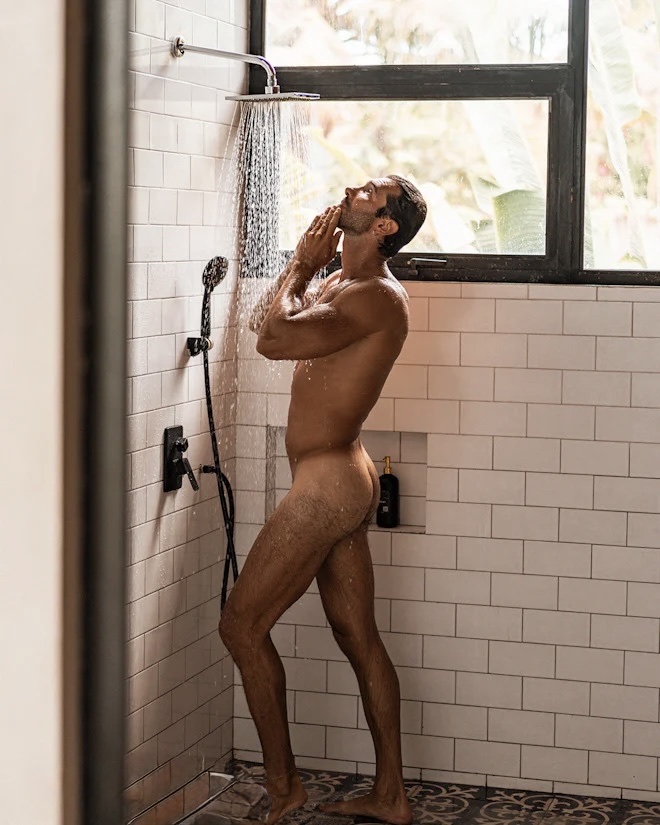
you sing in the shower at the top of your lungs.
————
Here we are, edging toward Valentine’s Day—cards already in the stores, playlists full of old love songs, and that familiar pressure to feel something cinematic. For queer folks especially, love has often arrived through borrowed lyrics and secondhand metaphors. We learned the language of romance from straight pop songs and classic standards that never quite named us, yet somehow still found their way into our hearts. This week feels like a good moment to sit with a poem that knows that tension well: the joy of love songs, and the gentle skepticism that comes with actually living love.
————
About the Poem
“Love Song for Love Songs” is a poem that both adores and distrusts the clichés of romance. Campo opens by acknowledging the abundance of love songs—a golden age—and immediately undercuts them. The metaphors we’ve been fed (“pizza pie,” “butter cream,” the perfect moon) feel exaggerated, even a little silly, when held up against real experience. Love, the poem suggests, is rarely that tidy or sweet.
What replaces those polished metaphors is something messier and more honest: loneliness, self-doubt, the ache behind the question “Why am I so alone?” Campo admits that this rueful misery may be closer to the truth than any glossy refrain. And yet—and this is the poem’s quiet triumph—love still sneaks in. Lower the lights. Admit that he is still the one. Admit how foolish and undone love can make you.
The final image is perfect in its ordinariness: singing in the shower, loudly and without shame. Not because love has become poetic or profound, but because it has made you human, ridiculous, and alive. For LGBTQ+ readers, that feels especially resonant. Our love stories have often been private, improvised, or half-hidden, but the joy—unguarded and a little dumb—rings just as true.
————
About the Poet
Rafael Campo is an American poet and physician whose work frequently explores the intersections of the body, illness, desire, and identity. Openly gay, Campo has written with remarkable clarity about queer love, vulnerability, and the ways language both reveals and conceals truth. His poetry often blends pop culture, medicine, and intimate emotional insight, making space for tenderness without sentimentality.
Campo’s voice is especially important in LGBTQ+ literature because it refuses grandiosity. Instead, it honors the small, lived moments—awkwardness, doubt, pleasure—that make love real. In poems like this one, he reminds us that even if love songs get it wrong, love itself still finds a way to be sung.
As Valentine’s Day approaches, this poem feels like permission: permission to roll your eyes at the clichés, to acknowledge the loneliness, and still—maybe especially still—to sing.

No comments:
Post a Comment