 |
I woke up with a headache this morning, so I’m going to sleep a little later than usual and hope it helps. I’ll post my Sunday devotional later this morning. Thanks for your patience, and I hope everyone has a wonderful Sunday!
|
I woke up with a headache this morning, so I’m going to sleep a little later than usual and hope it helps. I’ll post my Sunday devotional later this morning. Thanks for your patience, and I hope everyone has a wonderful Sunday!
 |
Yesterday was a long day, but it was a good one. I enjoyed it, even if I’m still feeling a little worn out this morning. I think I’m just running on fumes after such a busy week. Thankfully, it’s Friday, and the weekend is almost here. I’m looking forward to having a little time to rest and recharge.
I hope everyone has a great Friday and a wonderful weekend!
 |
Today is going to be a long and busy day, but thankfully, I’ll be doing the parts of my job that I love most. I’ll be playing host to a special guest, which includes taking him out for a nice dinner tonight. I’ll also be spending part of the day teaching and giving a tour.
It’s going to be one of those days when I’ll be going from one thing to the next with hardly a moment to catch my breath, but I’m actually looking forward to it. As much as I complain about being busy, I really do love what I do, especially when I get to interact with people, share history, and show a little Southern hospitality.
By the time I get home tonight, I expect I’ll be exhausted, but hopefully, it will be the good kind of exhaustion that comes from a long, productive, and enjoyable day. Sometimes, being busy isn’t such a bad thing, especially when you’re doing something you love.
 |
There’s not much to say today. I slept a little later than usual this morning because I woke up with a headache. Thankfully, it’s feeling better as I sit here writing this.
Today is actually the only day this week when I don’t have any classes, tours, or meetings on my schedule. After the hectic pace of the past week and a half, that’s a welcome change. In fact, the only thing on my calendar today is a reminder that I have the afternoon off since I’ll be working on Saturday.
I have a few errands to run after I leave work, but once those are done, I plan to head home and get some much-needed rest. With everything going on this week, I’m going to enjoy a little peace and quiet while I can. I’m sure Isabella will have her own ideas about how I should spend my afternoon, but hopefully, those plans will include a nap.
Sometimes, a quiet day with nothing particularly exciting to report is exactly what we need. I hope y’all have a wonderful Wednesday!
 |
Nothing Gold Can Stay
By Robert Frost
Nature’s first green is gold,
Her hardest hue to hold.
Her early leaf’s a flower;
But only so an hour.
Then leaf subsides to leaf.
So Eden sank to grief,
So dawn goes down to day.
Nothing gold can stay.
About the Poem
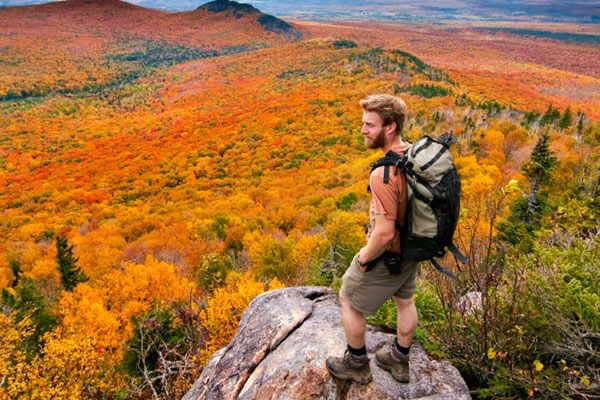
There is something both beautiful and heartbreaking about autumn in Vermont. The mountains become a tapestry of brilliant reds, oranges, and yellows, and for a brief time, the landscape seems almost too beautiful to be real. The golden leaves shimmer in the sunlight, and the crisp air carries the unmistakable feeling of change. Yet, even as we admire the beauty surrounding us, we know it cannot last. Before long, the leaves will fall, the trees will stand bare, and winter will settle over the mountains.
Robert Frost understood this fleeting beauty. In just eight short lines, “Nothing Gold Can Stay” captures one of life’s most difficult truths: the things we cherish most are often the things we cannot hold on to forever.
Frost begins with the earliest moments of spring, when new leaves emerge with a golden hue before settling into their familiar green. It is a moment of extraordinary beauty, but one that disappears almost as soon as it arrives. From there, he moves beyond the natural world to something more profound. The loss of Eden reminds us that even paradise was not permanent, while the passing of dawn into daylight suggests that every beginning carries within it the certainty of change.
We often associate loss with sadness, and understandably so. We grieve the passing of loved ones, the ending of relationships, the fading of youth, and the opportunities that slipped through our fingers. Sometimes, we long to return to a particular moment in our lives, a time when everything seemed possible and happiness felt effortless. We remember people who made us feel loved, places where we felt at home, and experiences we wish we could live through just one more time.
But perhaps Frost’s poem also offers us a reason to appreciate those moments more deeply. Their impermanence does not make them any less meaningful. If anything, knowing that something will not last forever should encourage us to treasure it while we can.
I think about how much life changes, often in ways we never could have imagined. People enter our lives and leave them. Friendships evolve. Dreams are fulfilled, abandoned, or replaced by dreams we never knew we had. We change, too. The person we are today is not the person we were ten or twenty years ago. Some of those changes come through joy, others through heartbreak, but all of them become part of who we are.
There is a temptation to look backward and believe that the best moments of our lives are behind us. Yet, I don’t think Frost is necessarily telling us that beauty disappears forever. Rather, he reminds us that beauty is constantly changing. The gold of spring gives way to the green of summer, just as the gold of autumn eventually gives way to winter. And after winter, spring will come again.
That does not mean we can recover everything we have lost. Some people and some moments are gone forever, and pretending otherwise would diminish the significance of our grief. But it does mean that life can still surprise us with unexpected beauty, even after we have experienced tremendous loss.
Perhaps the lesson is not to cling so desperately to what is passing that we fail to appreciate what is right in front of us. We cannot stop the seasons from changing, any more than we can stop time itself. What we can do is recognize the golden moments when they come, embrace them wholeheartedly, and carry their memories with us when they are gone.
As I look at the autumn colors covering the Vermont hillsides, I know that their brilliance will soon fade. The leaves will fall, and the landscape will become quieter and more subdued. But for now, the trees are golden, the mountains are beautiful, and there is something wonderful about simply being here to witness it.
Nothing gold can stay, but that doesn’t mean we shouldn’t cherish every golden moment.
“Nothing Gold Can Stay” was first published in 1923 in The Yale Review and later appeared in Robert Frost’s collection New Hampshire (1923), which won the Pulitzer Prize for Poetry in 1924.
Despite its brevity, the poem is among Frost’s most celebrated works. Its eight lines follow a tightly structured rhyme scheme of AABBCCDD, with each pair of lines forming a rhyming couplet. The predominantly three-beat rhythm gives the poem a deceptively simple, almost musical quality.
Frost uses the natural progression of a leaf’s development as a metaphor for the fleeting nature of beauty, innocence, and perfection. The opening image of gold becoming green suggests that even the most beautiful beginnings are temporary. His reference to the Garden of Eden introduces a biblical dimension, connecting the natural cycle of change with humanity’s loss of innocence and paradise.
The final line, “Nothing gold can stay,” is both the poem’s title and its central truth. Its simplicity makes it memorable, while its meaning invites readers to consider their own experiences of change, love, and loss.
The poem also gained wider recognition through S. E. Hinton’s 1967 novel The Outsiders and its 1983 film adaptation. In the story, the poem becomes a symbol of youthful innocence and the importance of holding on to the goodness and beauty within ourselves, even when life becomes difficult.
Although Frost offers no explicit consolation, the poem’s power lies in its ability to express a universal human experience. Everything changes, and nothing remains untouched by time. Yet the very brevity of life’s golden moments is part of what makes them precious.
About the Poet
Robert Frost (1874–1963) was one of America’s most beloved and influential poets. Born in San Francisco, California, Frost became closely associated with rural New England, particularly New Hampshire and Vermont, whose landscapes, people, and traditions inspired much of his writing.
Although Frost often wrote about seemingly ordinary subjects, such as stone walls, snowy woods, apple orchards, and country roads, his poetry explored profound questions about human nature, relationships, isolation, mortality, and the choices we make in life.
His work is distinguished by its conversational language, traditional poetic forms, and ability to uncover deeper meanings in familiar experiences. Frost believed that poetry should reflect the rhythms of everyday speech, and his poems frequently combine accessible language with complex philosophical ideas.
Among his best-known works are “The Road Not Taken,” “Stopping by Woods on a Snowy Evening,” “Mending Wall,” “Birches,” and “Fire and Ice.”
Frost received four Pulitzer Prizes for Poetry, an achievement that helped establish him as one of the defining literary voices of twentieth-century America. In 1961, at the age of 86, he recited “The Gift Outright” at the inauguration of President John F. Kennedy, becoming the first poet to participate in a U.S. presidential inauguration.
Frost also maintained a deep connection to Vermont. He lived for many years in the state, including periods in Shaftsbury and Ripton, and taught at Middlebury College’s Bread Loaf School of English. The New England landscape was never merely a backdrop for his poetry; it was a source of inspiration through which he examined the complexities of human existence.
More than a century after its publication, “Nothing Gold Can Stay” remains a testament to Frost’s remarkable ability to express life’s greatest truths in just a handful of words.
 |
I had a terrible weekend, but unfortunately, it wasn’t unexpected. I got my COVID vaccine Friday afternoon, and as usual, I had a pretty miserable reaction to it. I got the shot around 3 p.m., and almost like clockwork, twelve hours later, at 3 a.m. Saturday morning, the headache, body aches, and fever began.
This happens every time I get the Pfizer vaccine, and thankfully, it generally lasts only about 24 hours. Of course, knowing it’s coming doesn’t make it any more pleasant. I spent most of Saturday trying to sleep because I figured that was better than being awake and feeling absolutely miserable. Thankfully, around 3 a.m. Sunday morning, the fever and body aches finally subsided.
The headache, however, decided to stick around. On a pain scale of 1 to 10, with 10 being the worst pain imaginable, Saturday’s headache was about an 8. Yesterday, it had dropped to a 5, and this morning, it’s hovering around a 2. At least it’s moving in the right direction, though I’d be much happier if it would just go away altogether.
Unfortunately, feeling miserable wasn’t the only thing that made this weekend unpleasant. I’ve also been dreading today at work, and that certainly hasn’t helped matters.
I have a meeting this morning that I’m not looking forward to. Without going into too much detail, my director and I have to deal with a situation involving our boss that should never have become an issue in the first place. Something relatively minor has been blown completely out of proportion, and now we have to spend time and energy trying to convince someone that he’s wrong and being unnecessarily difficult. Frankly, I think he’s being an idiotic asshole about the whole thing, but I suppose telling him that wouldn’t be the most productive way to handle the meeting. As tempting as it might be.
Then there’s the class I have to teach this afternoon. Normally, I enjoy teaching classes at the museum. It’s one of my favorite parts of my job. This particular class, however, has been giving me fits. The request was an unusual variation on something I do fairly regularly, and for whatever reason, I’ve had a difficult time figuring out how best to approach it. I think I’ve finally gotten the presentation into some sort of shape, but I still have some polishing to do before this afternoon’s class. I’m still not looking forward to teaching it, though. Hopefully, it will go better than I’m anticipating. Sometimes the classes I worry about the most turn out to be the ones that go surprisingly well.
The rest of the week is going to be busy, too, although thankfully, there’s nothing else on my calendar that I’m actively dreading. There are plenty of classes, meetings, and events to keep me occupied, and I’ll be putting in some long hours. I also have to work Saturday morning, so my workweek won’t officially end until 1 p.m. Saturday.
At this point, I’m already looking forward to Saturday afternoon, and it’s only Monday morning. After the weekend I just had and the week I’m facing, I have a feeling that one day off on Sunday isn’t going to be nearly enough time to recover.
But first, I have to get through today. Maybe another cup of coffee will help. I doubt it will make the meeting any more pleasant, but at least I’ll be properly caffeinated when I have to bite my tongue.
Here’s hoping the week turns out better than I’m expecting. It certainly has plenty of room for improvement.
 |
“For all those who do evil hate the light and do not come to the light, so that their deeds may not be exposed. But those who do what is true come to the light, so that it may be clearly seen that their deeds have been done in God.”
— John 3:20–21
There is something profoundly powerful about the idea of living in the light. Light reveals what darkness conceals. It illuminates the truth, exposes deception, and allows us to see ourselves and the world around us more clearly. In John 3:20–21, Jesus contrasts those whose actions cannot withstand the light of truth with those whose deeds reflect the goodness of God. For LGBTQ+ Christians, these verses carry a particular significance, especially for those of us who have spent part of our lives hiding who we truly are.
For generations, LGBTQ+ people have been told that our identities are something shameful, something that should remain hidden. Many of us grew up hearing that being gay, lesbian, bisexual, or transgender was incompatible with being a Christian. We were taught, either directly or indirectly, that acceptance by God depended upon denying an essential part of ourselves. Some of us learned to conceal our feelings, carefully guard our words, and construct lives that would satisfy the expectations of others. We became so accustomed to hiding that secrecy sometimes felt safer than openness.
Yet there is an important distinction between hiding something because it is wrong and concealing something because others have made it dangerous to reveal. Jesus speaks of those who avoid the light because their deeds are evil, but that is not the same as someone remaining in the closet out of fear of rejection, discrimination, violence, or losing the people they love. There is no shame in protecting ourselves when the world has not made it safe for us to live openly. Being closeted does not mean that someone is dishonest, sinful, or lacking in faith. Sometimes, it simply means they are doing what they must to survive.
Perhaps, though, we have been looking at the darkness in these verses from the wrong perspective. What if the darkness is not the closet itself, but the prejudice, hatred, and condemnation that force LGBTQ+ people into it? What if those who make us afraid to live openly are the ones whose actions cannot withstand the light of God’s truth? When someone uses religion to shame another person, threatens them with rejection, or convinces them that God’s love does not extend to them, that person is not spreading the light of Christ. They are casting shadows over someone else’s life. They are creating the very fear and secrecy that keep people from living authentically.
There is a painful irony in the fact that some of those who most loudly proclaim themselves defenders of God’s truth are the very people whose actions drive others into hiding. They claim to stand in the light while making the world darker for those they condemn. They demand that LGBTQ+ people repent of who they are while refusing to examine the cruelty, hypocrisy, and prejudice in their own hearts. They speak of righteousness while overlooking the suffering their words and actions cause. Yet the light of God’s truth does not shine only upon those whom society has labeled sinners. It shines upon all of us, exposing our prejudices, our failures to love, and the ways we sometimes use religion to justify hurting others.
The opposite is equally true. Those who embrace LGBTQ+ people with compassion, acceptance, and unconditional love help bring God’s light into the world. They create spaces where people no longer have to hide, where honesty is met with understanding rather than condemnation, and where love is celebrated rather than feared. Their actions reflect the truth Jesus describes because their compassion is visible in the way they treat others. They demonstrate their faith not by condemning people but by loving them. In doing so, they help lift the darkness that others have imposed and allow God’s light to shine more brightly.
Jesus tells us that those who do what is true come into the light. Notice that He does not say those who are perfect come into the light. He speaks of those whose actions reflect truth and goodness. This should challenge all Christians to consider whether their behavior genuinely reflects the teachings of Christ. Does our faith make others feel loved or rejected? Do our words encourage people to draw closer to God, or do they convince them that they are unworthy of His presence? Do we create an environment where people can live honestly, or do we make them afraid to reveal who they are?
These are not insignificant questions. Jesus consistently challenged religious hypocrisy and emphasized love, mercy, and compassion. He reached out to those whom society marginalized, welcomed those whom others rejected, and reminded His followers that loving God and loving one’s neighbor were the greatest commandments. If our understanding of Christianity causes us to treat others with cruelty rather than kindness, perhaps it is our understanding that needs to change.
For LGBTQ+ Christians, living in the light begins with recognizing that we are beloved children of God, created with dignity and worthy of love. Our sexuality or gender identity does not separate us from God’s grace. We do not have to become someone else to be worthy of His presence. The love we are capable of giving and receiving can reflect the goodness of God just as surely as anyone else’s. We should never allow the condemnation of others to convince us that our authentic selves are something shameful.
Of course, living in the light is not necessarily the same as coming out publicly. Not everyone has the freedom or safety to be open about their identity. Some risk losing their families, their livelihoods, their communities, or even their lives. We must never mistake their need for privacy and protection for a failure of courage or faith. God knows who they are, whether the rest of the world does or not. They can live truthfully before Him even when circumstances require them to remain closeted.
There is also a responsibility for those who claim to walk in God’s light. If we truly believe that truth comes from God, then we must be willing to examine the harm caused when religious teachings are used to exclude and condemn. We cannot claim to embrace the light while deliberately refusing to see the suffering of others. We cannot profess the love of Christ while making people feel unworthy of that love. The light Jesus describes should illuminate our own hearts as much as it illuminates the actions of those around us.
For those of us who have struggled to reconcile our faith with our identities, finding that light can be a long and difficult journey. It may involve questioning teachings we once accepted without hesitation, confronting painful memories, or learning to believe that God’s love really does include us. Sometimes, the hardest step is not convincing others of our worth but allowing ourselves to believe it. And sometimes, the most powerful expression of God’s light comes through another person who simply says, “I love you just as you are.”
The beautiful promise of John 3:20–21 is that truth and light belong together. We do not have to fear God’s light because we are LGBTQ+. We can come before Him as we are, without pretending to be someone we are not. God already knows our hearts, our struggles, our hopes, and our capacity for love. There is nothing about our authentic selves that comes as a surprise to Him.
Perhaps the greatest lesson of these verses is that we should be less concerned with exposing what others have been forced to hide and more concerned with examining the darkness our own actions might create. If we truly wish to walk in God’s light, we should strive to make the world a place where others no longer have to live in fear. We should replace condemnation with compassion, rejection with acceptance, and hatred with love.
The darkness is not who we are, and the light is not something we must earn. Those who force others into hiding should examine the shadows they cast, while those who offer love and acceptance help illuminate the path toward freedom. God’s light was never meant to drive us into the darkness. It was meant to remind us that we have always belonged in His love.
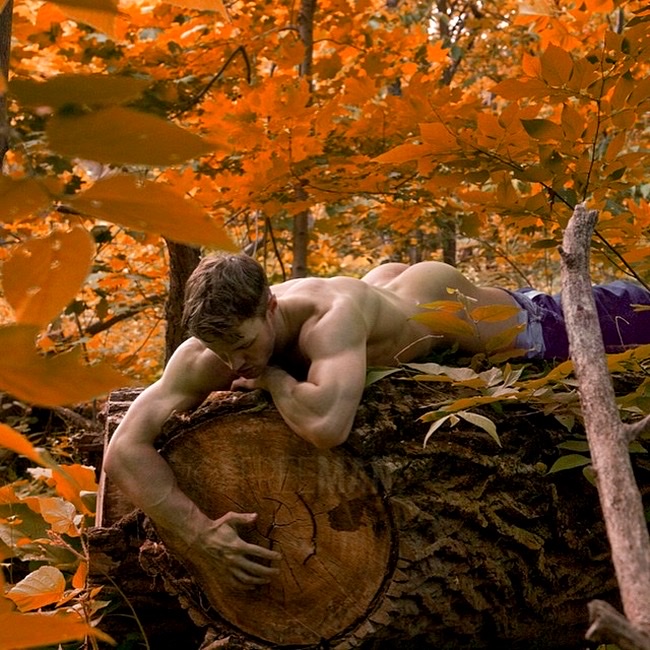 |
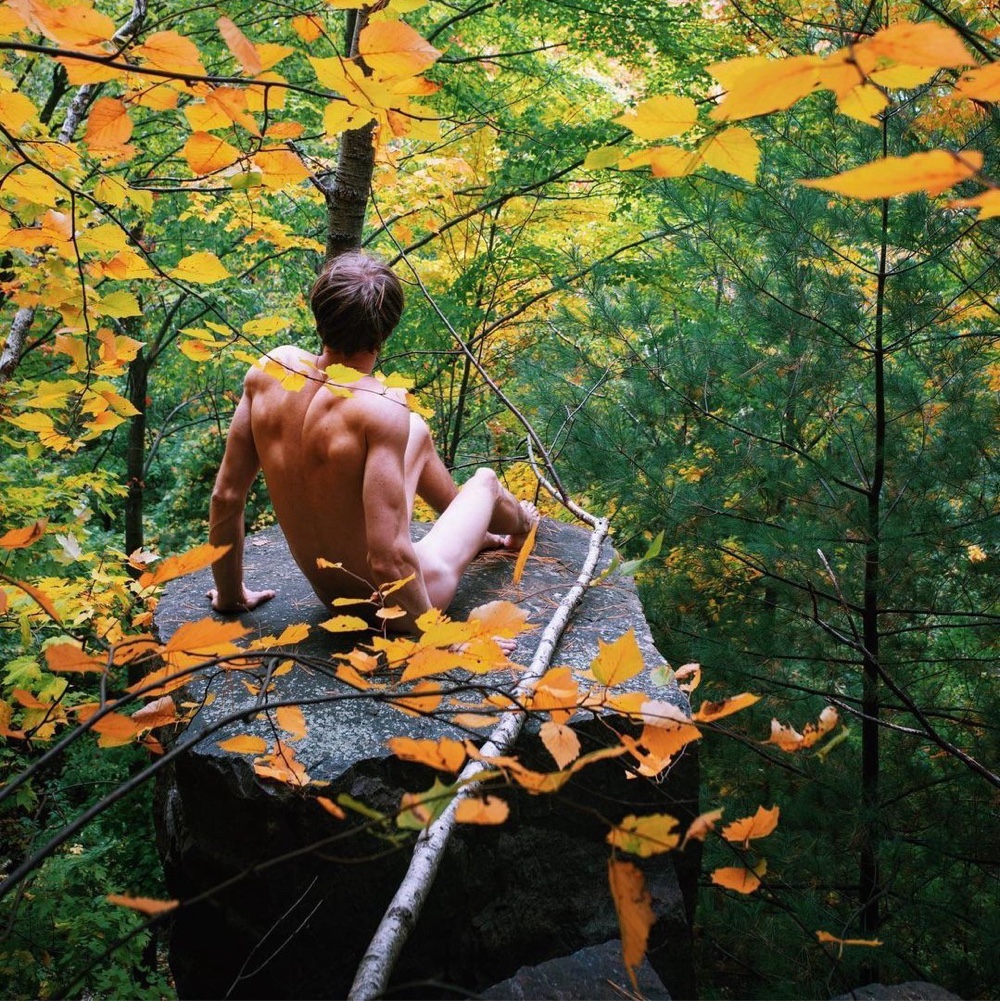
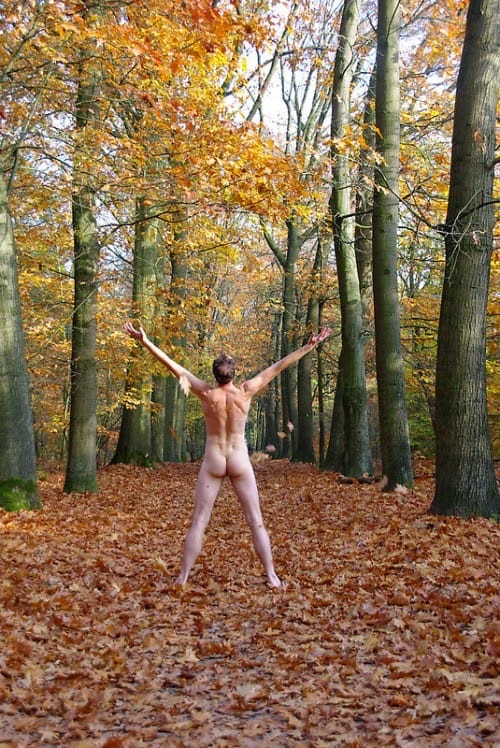
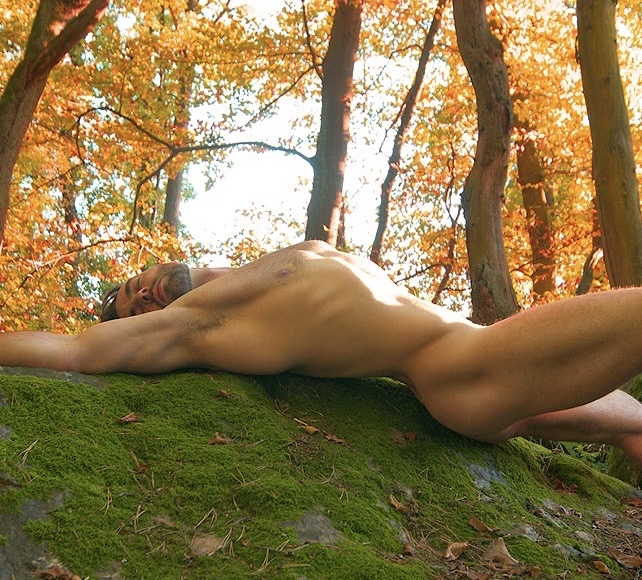
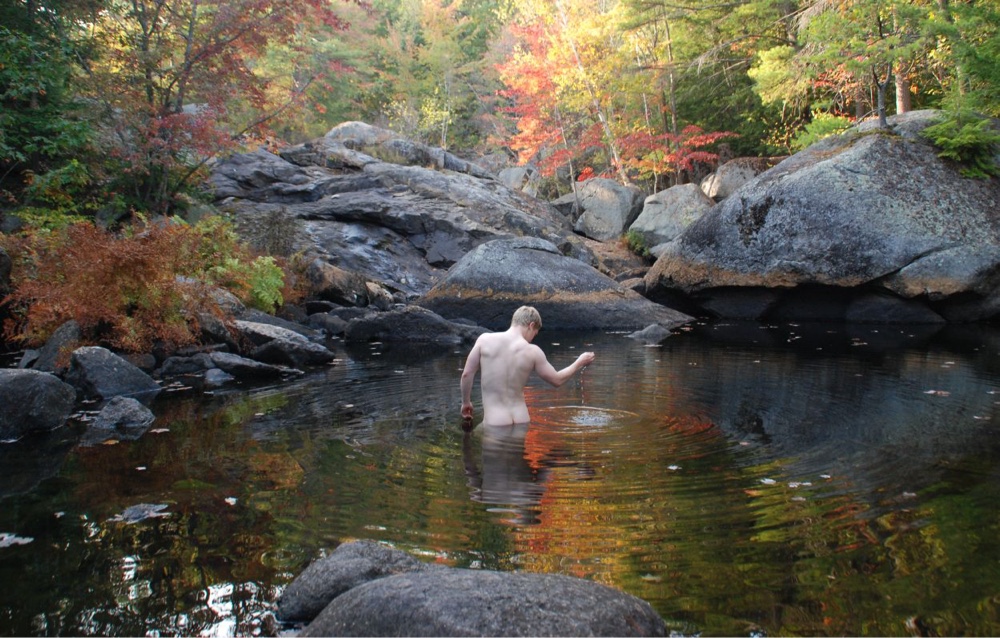
Autumn is at its most glorious here in Vermont, where the mountains and hillsides are ablaze with brilliant shades of red, orange, and gold as we reach the peak of fall foliage season. There is something magical, yet fleeting, about the beauty of autumn leaves, a reminder that even as the seasons change, there is beauty to be found in letting go. “Autumn Leaves” captures that bittersweet beauty perfectly, its haunting melody evoking both the splendor of the season and the gentle melancholy of passing time.
 |
 |
 |
 |
 |
 |
 |
 |
 |
Eleven years ago this past Wednesday, I packed up my life in Alabama and moved to Vermont. I had no way of knowing just how much my life would change over the next eleven years. I knew I was beginning a new chapter, but I certainly couldn’t have imagined everything that chapter would contain.
I still remember how Vermont felt when I first arrived. The crisp autumn air, the mountains, the beautiful scenery, and the sense of possibility were almost intoxicating. After spending most of my life in Alabama, where I often felt constrained by other people’s expectations of who I should be, Vermont offered something I hadn’t fully realized I was missing: the freedom to simply be myself.
For the first time in a very long time, I felt like I could breathe.
I haven’t stopped loving Alabama. It will always be part of who I am. My Southern accent certainly hasn’t gone anywhere, and neither have my memories of growing up there. I still love Southern food, Southern hospitality, and many of the traditions that shaped my childhood. In fact, that Southern hospitality I was raised with has become an essential part of how I approach my professional life. I’ve developed a reputation for being welcoming, helpful, and willing to go the extra mile for visitors, students, and colleagues. Making people feel welcome and comfortable comes naturally to me because it’s simply how I was raised. It’s something I’m proud to have carried from Alabama to Vermont.
The two states may seem worlds apart politically and culturally, but they share more than people might think. Both have strong rural traditions, a connection to the land, and communities where people look out for one another. The difference, at least in my experience, has been the freedom I’ve found here to live my life without constantly worrying about whether I’m meeting someone else’s expectations.
Of course, moving to Vermont didn’t magically make everything better. In fact, some of the most difficult years of my life came after I moved here.
Not long after arriving, I lost one of my closest friends. His death devastated me, and the grief sent me into a depression that lasted for years. I had moved to Vermont hoping for a fresh start, only to find myself struggling just to get through each day. There were times when I wondered whether I would ever feel like myself again.
Therapy, unfortunately, didn’t help me the way I had hoped. If anything, it sometimes seemed to make matters worse. What did help was my friendship with Susan. She listened when I needed to talk, offered encouragement when I couldn’t find any for myself, and showed me a kindness and patience that I will never forget. I don’t know what I would have done without her during those years.
Depression also took a tremendous toll on my physical health. I gained a considerable amount of weight. Then came the diagnosis of type 2 diabetes.
I still remember crying when my doctor called to tell me. I was devastated. Diabetes was something I had feared, and hearing that I had developed it felt like one more thing going wrong in a life that already seemed to have more than its share of difficulties.
Looking back, though, that diagnosis became a turning point.
I was fortunate to find a wonderful primary care doctor shortly after moving to Vermont, and he has been with me ever since. He has encouraged me, worked with me through different treatments, and never made me feel as though my health problems defined who I was. With his help, my diabetes gradually came under control. Eventually, I was able to manage it through diet, and my weight began to come down.
The changes didn’t happen overnight. There were setbacks, frustrations, and times when progress seemed painfully slow. Along the way, I was also diagnosed with sleep apnea and began sleeping with a CPAP machine. My migraines, which had sometimes left me in nearly constant and debilitating pain, required their own long journey of finding treatments that worked.
Today, my life looks remarkably different.
I’ve lost a significant amount of weight and gone through more clothing sizes than I care to count. Sometimes I look in the mirror and still have trouble recognizing the person looking back at me. I can wear clothes now that I never would have imagined fitting into a few years ago.
But the most important changes aren’t the ones I can see in the mirror.
My diabetes is well controlled. I no longer need my CPAP. My migraines haven’t disappeared, and I still have some truly miserable ones, but they are no longer the nearly constant presence they once were. I have more energy, I feel better physically, and I can do things that would have been much more difficult just a few years ago.
Not every health problem has improved. The years of excess weight took a serious toll on my liver, and I was eventually diagnosed with cirrhosis. That’s something I’ll have to live with and carefully monitor for the rest of my life. My hope is that, with continued care, the disease will progress slowly enough that a liver transplant will remain a distant possibility rather than an immediate concern.
I’ve learned that improving your health doesn’t necessarily mean undoing every bit of damage that’s already been done. Sometimes it means doing everything you can to make the years ahead better than the ones behind you.
And that’s exactly what I’m trying to do.
Yet, when I think about how much my life has changed since moving to Vermont, my health is only part of the story.
One of the greatest surprises has been my career. When I moved here, I never dreamed that I would eventually have what I consider my dream job. I had always loved history, teaching, and museums, but I never expected to find a position that would allow me to combine all three.
My work has given me opportunities I couldn’t have imagined eleven years ago. I’ve worked with fascinating historical objects, helped preserve people’s stories, developed exhibitions and educational programs, and introduced countless students and visitors to history in ways that go far beyond what they might find in a textbook.
I’ve also had the opportunity to teach, something that has always been close to my heart. There is a special satisfaction in watching students make connections between the past and the present, especially when an object helps them understand something that previously seemed distant or abstract.
Looking back, I realize that my Southern upbringing and my love of history have come together in ways I never anticipated. The hospitality I learned growing up in Alabama has become just as valuable to my work as the historical knowledge I acquired through years of education and teaching. Helping people feel welcome to explore, ask questions, and discover something new is one of the most important things I contribute professionally.
Over the years, my responsibilities have grown, and I’ve found myself taking on new challenges that have pushed me professionally and personally. My current role is one I could never have imagined holding when I first arrived in Vermont. There are days when work is exhausting, frustrating, and overwhelming, but I still consider myself incredibly fortunate to do what I do.
How many people get to say they found a job they never knew they wanted, only to discover it was exactly where they belonged?
I’ve changed in other ways, too. I’ve become more confident, more willing to speak up for myself, and more comfortable in my own skin. I’ve learned that I can be a Southern gentleman, a gay man, a Christian, a historian, and a Vermonter without any of those identities having to cancel out the others. They are all parts of who I am.
My faith has changed over these eleven years as well. Grief challenged it in ways I never expected, and there were times when I questioned things I had believed for most of my life. Yet those struggles also helped me develop a deeper understanding of faith, one rooted less in rules and expectations and more in love, compassion, and acceptance.
I’ve also continued writing this blog, sharing my thoughts, memories, frustrations, hopes, and occasional embarrassments with all of you. In many ways, writing has helped me understand my own journey. Sometimes I don’t realize how much I’ve changed until I look back at something I wrote years ago.
And, of course, I can’t talk about my life in Vermont without mentioning Isabella. That little black cat came into my life in 2016 and has been my constant companion ever since. She has brought me an enormous amount of comfort, affection, and amusement, even if she does occasionally seem to believe that my sole purpose in life is to serve her every whim. She’s been with me through some of my darkest days, and I can’t imagine my life without her.
Not everything about these eleven years has been serious, though.
I still laugh when I remember those first days in Vermont, when I was unpacking boxes and sleeping on an air mattress because my bed hadn’t arrived yet. Apparently, my curiosity about the local gay population was stronger than my desire to finish unpacking, because I opened Grindr to see who was around.
My bed hadn’t arrived, but a man did.
We hooked up, and the amusing thing is that I still see him occasionally, sometimes by chance and sometimes by design. I suppose that’s one way to make yourself feel welcome in a new state. 😂
My romantic life hasn’t exactly turned out the way I hoped it might. I still haven’t found that special someone with whom to share my life. I’d be lying if I said that didn’t sometimes make me sad. But I haven’t given up hope. Eleven years ago, I couldn’t have imagined much of the life I have today, so who’s to say what might happen tomorrow?
I’ve made wonderful friends here, lost some friendships to time and distance, and learned that relationships don’t always remain what we expect them to be. I’ve experienced kindness, disappointment, laughter, loneliness, and moments of unexpected happiness. In other words, I’ve lived.
When I think about the man who arrived in Vermont eleven years ago, I wish I could tell him a few things. I’d tell him that the years ahead wouldn’t always be easy. That he would experience heartbreak and grief, struggle with his health, and sometimes wonder whether he’d made the right decisions.
But I’d also tell him that he would find a career he loved, build a life of his own, discover strengths he didn’t know he possessed, and gradually become more comfortable with the person he had always been.
Most importantly, I’d tell him that he would find a place where he belonged.
Vermont isn’t perfect. No place is. There are things I miss about Alabama, and there are certainly things about Vermont that can drive me crazy. Eleven winters have done little to convince me that bitter cold is one of life’s great pleasures. But somewhere along the way, Vermont stopped being the place I had moved to and became home.
Perhaps that’s the biggest change of all.
Eleven years ago, I came here hoping for a better life. I didn’t find a life without hardship, disappointment, or loss. What I found was the opportunity to build a life that felt more genuinely my own.
And as I look toward the years ahead, I realize that I’m not finished changing, growing, or discovering what life has in store for me.
For the first time in a long time, that thought fills me with more hope than fear.