
Saturday, February 28, 2026







Friday, February 27, 2026

Finally Friday

Thank goodness it’s Friday—and I’m working from home today. I’m off all next week for spring break and had some vacation time to use, so I’m really looking forward to a full week to relax and recharge.
Sorry this is posting a little later than usual. I got distracted this morning and almost forgot altogether, so I’m keeping this one short and sweet.
I hope everyone has a wonderful weekend!
Thursday, February 26, 2026

Sleepy Side Effects

Fair warning: today’s post is more medically informative than my usual reflections—it’s still personal, but a bit heavier on the details than you’re accustomed to here, and I suspect this medication may also make me a bit loquacious, as Susan could probably attest after our conversation last night.
It’s not often that I wake up and still feel this sleepy. I have a migraine medication that I rarely take because it can make me drowsy for a couple of days. Most of my other medications work fine, so I tend to avoid the ones that linger like that. I think this morning’s drowsiness is also due to a migraine medication.
At my last appointment at the Headache Clinic, they gave me a new medication to try. It’s one of the newer CGRP medications. I’ve tried several over the years. This one is interesting because it can be used as a rescue drug, though some CGRP medications are used as preventatives.
I take Qulipta daily as a preventative. Ubrelvy, however, is a rescue medication. Most CGRP medications are taken once a month, once every three months, or daily. Ubrelvy isn’t taken that way. It’s meant to be taken at the first sign of a migraine—usually an aura.
Auras look different for everyone, but they’re a signal that a migraine attack is imminent. For me, my auras are small twinkling lights that float in my vision. They aren’t dramatic, and they rarely last more than a few seconds—never more than 30 seconds. I don’t always see an aura before a migraine, but if I do see one, I will get a migraine.
So instead of taking it at the beginning of the headache itself, as with most triptans, Ubrelvy is taken when the aura appears.
Yesterday, I saw an aura and took a dose of Ubrelvy. I never developed the migraine. That alone feels like a victory.
Ubrelvy has three potential—though still somewhat rare—side effects: nausea, sleepiness, and fatigue. Most people experience side effects within 30 minutes to an hour after taking a medication. However, because of my liver issues, medications can take longer to become effective or for side effects to appear. Some medicines, including Ubrelvy, are metabolized in the liver. When liver function is compromised, metabolism can slow down, which can delay both effectiveness and side effects.
That seems to be what happened with this dose.
About three to four hours after seeing the aura and taking the medication, I became very drowsy and fell asleep in the middle of reading a book. It took me a bit to fully wake up, but once I did, I seemed fine. Then last night, the drowsiness hit again. I fell asleep early and slept through the night—even through Isabella’s usual insistence on being fed.
I woke up at 4:00 a.m. when she made her presence known, but I went back to sleep. When I woke again around 4:30, I checked the time and made myself get up, feed her, and put on some coffee.
I’m awake now, but I could very easily lie back down and fall asleep again—even after being up for an hour.
I’m hoping this doesn’t last all day. I’ll drink my coffee, watch the news, and take a shower—all of which should help me wake up more fully. I was out of work Monday with a migraine, off yesterday, and I have an important meeting at 9:00 a.m., so I really need to be at work today. If this drowsiness continues, it may not be a full workday—but hopefully I’ll shake it off and get through.
I’ll likely make a strong cup of tea when I get to work this morning.
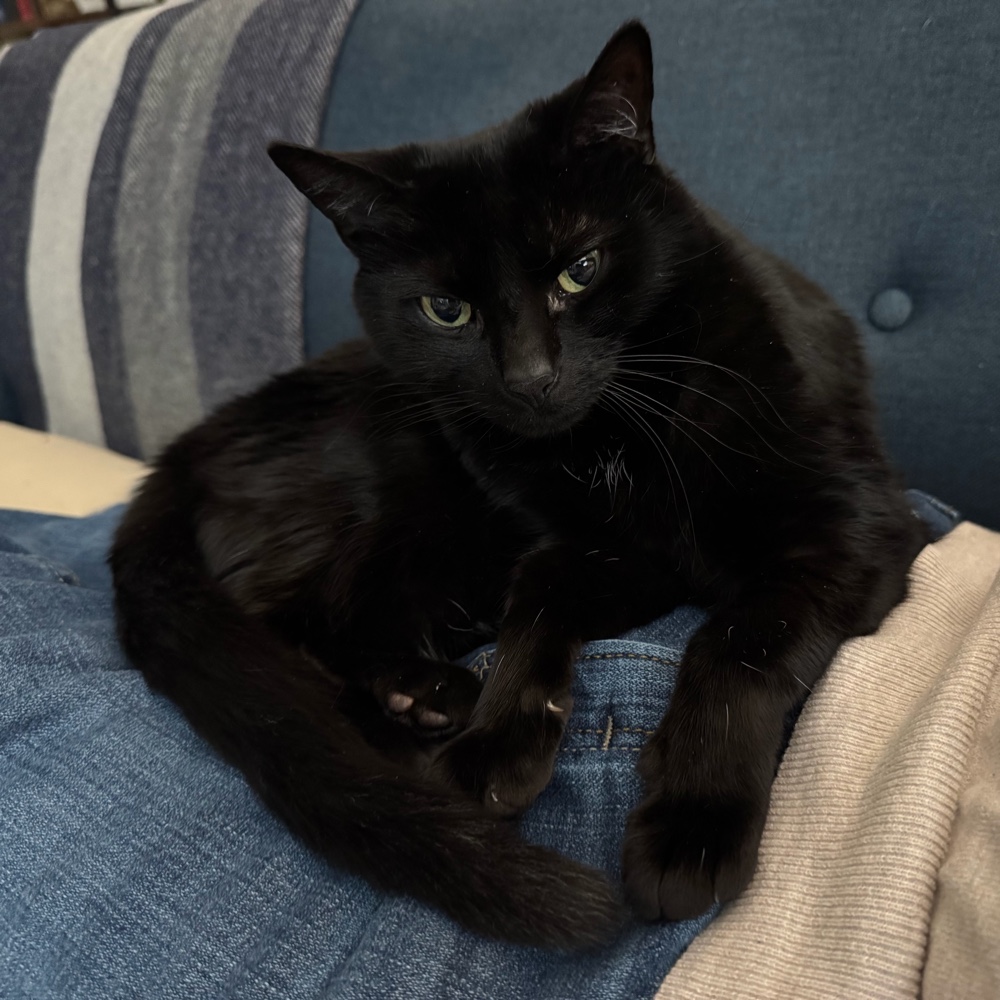
To make up for how boring this post may have been, here’s Isabella’s Pic of the Week (with a little bit of me thrown in the mix):
Wednesday, February 25, 2026
Early to Bed, Early to Rise

In 1735, Benjamin Franklin wrote in Poor Richard’s Almanack:
“Early to bed and early to rise, makes a man healthy, wealthy, and wise.”
One thing I know for sure—he wasn’t correct about the “wealthy” part. And I’m not entirely convinced about the “healthy” and “wise” either.
Last night, I had one of the worst migraines I’ve had in a while. It had been building all day and finally came to a crescendo around 7:30 p.m. By 8:00, after taking my migraine medicine, I was asleep. That part, at least, would have made Mr. Franklin proud.
I woke up around 11:30 p.m.—thankfully without the migraine—but it took me over an hour to fall back to sleep. In fact, I was awake enough to finish reading a novella I’d started the day before. There’s something oddly satisfying about finishing a book in the quiet middle of the night, when the world feels paused and suspended.
Once I finished the novella, I did what many men do when they can’t sleep and nearly dozed off watching a particularly unexciting video that should have been stimulating but instead worked better than melatonin. I was awake just long enough to turn everything off and slip into dreamland.
You’d think falling asleep during that type of video might lead to some interesting dreams—perhaps something that wood be pleasant—but no such luck. The dreams were as boring as the video. In one, I was in the middle of a very colorful parade reminiscent of a Pride parade. Only it wasn’t a celebration—it was a protest. I never discovered what we were protesting, even though dream-me kept trying to find out. The other dream was so unremarkable that I can’t even remember what it was about.
I suspect the second dream was interrupted by Isabella wanting to be fed at 3:45 a.m. I successfully fended her off for about thirty minutes before surrendering. At that hour, resistance is futile.
Now I’m writing this post with a slight headache lingering, contemplating whether I should just go back to bed.
I’m technically off work today because of a scheduling error I made and decided not to correct. Officially, I’m “at a doctor’s appointment at Dartmouth.” It had originally been a Botox appointment until they shortened the interval between shots from twelve weeks to ten. Since I do actually have a headache, the sick leave for the first part of the day still applies. I was planning to take vacation time this afternoon anyway.
So here I am—early to bed, early to rise—and not feeling especially healthy, not remotely wealthy, and certainly not particularly wise.
Perhaps Mr. Franklin should have added a footnote:
“Results may vary. Especially for those with migraines, midnight reading habits, and insistent cats.”
Tuesday, February 24, 2026
Window Art
Window Art
By Kwame Dawes
for Kojo
There is the fickle shadow, the dialect
of my body; me standing before myself—
as if the framing of this ordinary mirror,
is the small light of a window,
and see this naked man, no longer shy,
move me with the muscle
of thighs and the flattery of shoulders—
this is a kind of art; perhaps
the only art there is, my body
still able to seduce me to tenderness.
My calculus of pleasure or contentment
is the way my older self,
that brother of mine who faced
the wars, four years ahead,
the blasted sight, the kidneys’
decay, the atrophy of bone in his
spine. To think I found comfort
in the slow calculation. He was
broken long before, and I have survived
another curse. This is as ugly
as all love can be. And, so, I give
thanks for this body walking
towards the trees, away from me
the machine of me, my backside
a revelation.
About the Poem
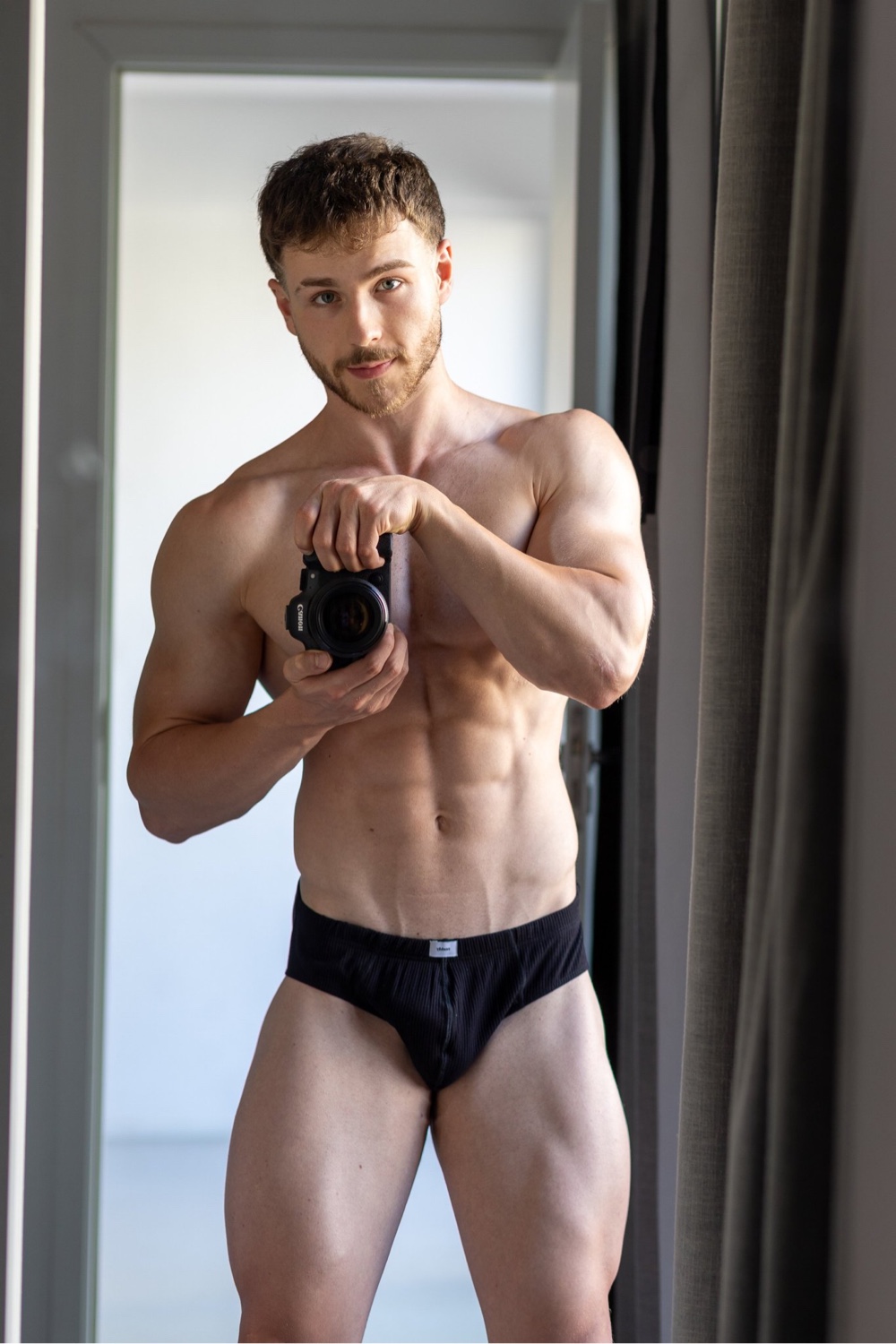
Some poems don’t ask us to escape into beauty—they ask us to pause and recognize it in ourselves, exactly as we are. Kwame Dawes’s “Window Art” is one of those poems. It begins with something simple: a man standing before a mirror, seeing his own body not with criticism, but with a kind of quiet tenderness. Yet, as the poem unfolds, that moment of self-recognition becomes something deeper. It becomes a meditation on loss, on the memory of a brother who has gone before him, and on the fragile gift of still being here. There is grief in this poem, certainly—but there is also gratitude. It reminds us that to be alive, in a body that still moves and feels, is itself a kind of art.
What struck me most about this poem is how it begins in something so ordinary—a glance in the mirror—and transforms that moment into something almost sacred. Too often, we are our own harshest critics. We look at our bodies and see flaws, age, or what we wish were different. But Dawes invites us to see something else: tenderness.
That tenderness becomes even more meaningful when placed beside loss. The speaker measures his own life against the suffering of his brother, who has already endured illness and death. Survival, then, is not simply a blessing—it is complicated. It carries grief, memory, and even a kind of quiet guilt.
And yet, the poem does not end in sorrow. It ends in gratitude.
There is something profoundly moving in the idea that our bodies—imperfect, aging, and temporary—are still worthy of appreciation. They carry us forward, even as we know they will not last forever. In that awareness, there is both a sobering truth and a strange comfort: we are all walking the same path, just at different moments along the way.
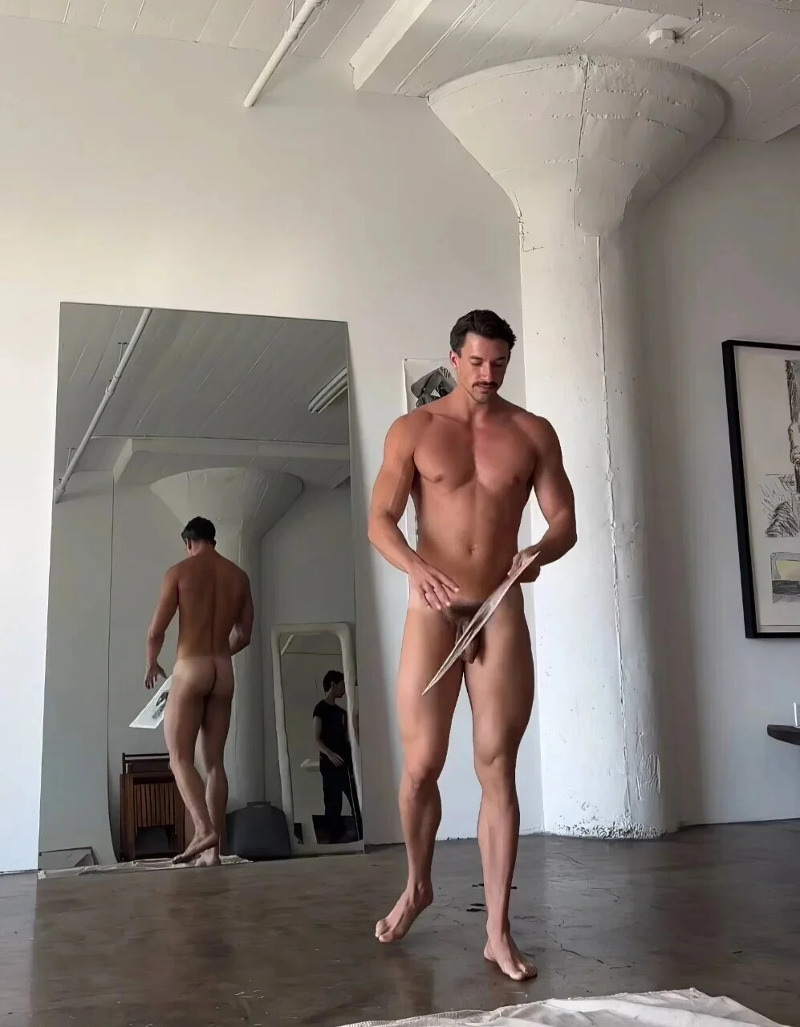
“Window Art” is a meditation on the body, mortality, and mourning. The poem begins with the speaker observing himself in a mirror, which he transforms into a “window”—a powerful image suggesting both reflection and passage. The body becomes a work of art, not because it is perfect, but because it is alive and capable of feeling.
The poem then shifts to the speaker’s brother, who functions as both a real person and a symbolic “older self.” Having suffered illness and death, the brother represents the future that awaits the speaker. This creates a poignant tension: the speaker’s present vitality is measured against his brother’s decline.
Dawes does not romanticize this suffering. The physical details—“kidneys’ decay,” “atrophy of bone”—are stark and unflinching. Love, in this context, is described as “ugly,” not because it is cruel, but because it is inseparable from pain and loss.
In the final lines, the speaker imagines his body moving away from him, “towards the trees,” suggesting both nature and death. Yet even here, there is gratitude. The body, though temporary, remains a source of wonder. The poem ultimately suggests that to live with awareness of mortality is not to despair, but to deepen one’s appreciation for the present.
About the Poet
Kwame Dawes (b. 1962) is a Ghanaian-born poet, novelist, and editor, widely regarded as one of the most important contemporary voices in Caribbean and African diasporic literature. Raised in Jamaica, Dawes’s work often explores themes of identity, migration, spirituality, illness, and memory.
He is the author of numerous collections of poetry and has received many honors for his work, including a Guggenheim Fellowship and an Emmy Award for his multimedia project Hope: Living and Loving with HIV in Jamaica. Dawes is also a passionate advocate for the arts and has played a significant role in promoting Caribbean literature globally.
Much of his poetry is deeply personal, often drawing on lived experience to explore universal themes such as love, grief, and the human body. In “Window Art,” Dawes reflects on the loss of his brother, offering a meditation that is both intimate and expansive—grounded in mourning, yet reaching toward gratitude.
By Kwame Dawes
for Kojo
There is the fickle shadow, the dialect
of my body; me standing before myself—
as if the framing of this ordinary mirror,
is the small light of a window,
and see this naked man, no longer shy,
move me with the muscle
of thighs and the flattery of shoulders—
this is a kind of art; perhaps
the only art there is, my body
still able to seduce me to tenderness.
My calculus of pleasure or contentment
is the way my older self,
that brother of mine who faced
the wars, four years ahead,
the blasted sight, the kidneys’
decay, the atrophy of bone in his
spine. To think I found comfort
in the slow calculation. He was
broken long before, and I have survived
another curse. This is as ugly
as all love can be. And, so, I give
thanks for this body walking
towards the trees, away from me
the machine of me, my backside
a revelation.
About the Poem
Some poems don’t ask us to escape into beauty—they ask us to pause and recognize it in ourselves, exactly as we are. Kwame Dawes’s “Window Art” is one of those poems. It begins with something simple: a man standing before a mirror, seeing his own body not with criticism, but with a kind of quiet tenderness. Yet, as the poem unfolds, that moment of self-recognition becomes something deeper. It becomes a meditation on loss, on the memory of a brother who has gone before him, and on the fragile gift of still being here. There is grief in this poem, certainly—but there is also gratitude. It reminds us that to be alive, in a body that still moves and feels, is itself a kind of art.
What struck me most about this poem is how it begins in something so ordinary—a glance in the mirror—and transforms that moment into something almost sacred. Too often, we are our own harshest critics. We look at our bodies and see flaws, age, or what we wish were different. But Dawes invites us to see something else: tenderness.
That tenderness becomes even more meaningful when placed beside loss. The speaker measures his own life against the suffering of his brother, who has already endured illness and death. Survival, then, is not simply a blessing—it is complicated. It carries grief, memory, and even a kind of quiet guilt.
And yet, the poem does not end in sorrow. It ends in gratitude.
There is something profoundly moving in the idea that our bodies—imperfect, aging, and temporary—are still worthy of appreciation. They carry us forward, even as we know they will not last forever. In that awareness, there is both a sobering truth and a strange comfort: we are all walking the same path, just at different moments along the way.
“Window Art” is a meditation on the body, mortality, and mourning. The poem begins with the speaker observing himself in a mirror, which he transforms into a “window”—a powerful image suggesting both reflection and passage. The body becomes a work of art, not because it is perfect, but because it is alive and capable of feeling.
The poem then shifts to the speaker’s brother, who functions as both a real person and a symbolic “older self.” Having suffered illness and death, the brother represents the future that awaits the speaker. This creates a poignant tension: the speaker’s present vitality is measured against his brother’s decline.
Dawes does not romanticize this suffering. The physical details—“kidneys’ decay,” “atrophy of bone”—are stark and unflinching. Love, in this context, is described as “ugly,” not because it is cruel, but because it is inseparable from pain and loss.
In the final lines, the speaker imagines his body moving away from him, “towards the trees,” suggesting both nature and death. Yet even here, there is gratitude. The body, though temporary, remains a source of wonder. The poem ultimately suggests that to live with awareness of mortality is not to despair, but to deepen one’s appreciation for the present.
About the Poet
Kwame Dawes (b. 1962) is a Ghanaian-born poet, novelist, and editor, widely regarded as one of the most important contemporary voices in Caribbean and African diasporic literature. Raised in Jamaica, Dawes’s work often explores themes of identity, migration, spirituality, illness, and memory.
He is the author of numerous collections of poetry and has received many honors for his work, including a Guggenheim Fellowship and an Emmy Award for his multimedia project Hope: Living and Loving with HIV in Jamaica. Dawes is also a passionate advocate for the arts and has played a significant role in promoting Caribbean literature globally.
Much of his poetry is deeply personal, often drawing on lived experience to explore universal themes such as love, grief, and the human body. In “Window Art,” Dawes reflects on the loss of his brother, offering a meditation that is both intimate and expansive—grounded in mourning, yet reaching toward gratitude.
Monday, February 23, 2026
Not Feeling Well
There’s not much more to say today. I woke up with a migraine and some stomach pains, and my body is making it very clear that it’s not up for much of anything.
Sometimes the only responsible thing to do is listen when your body says, enough. So that’s what I’m doing. No deep thoughts, no long reflections—just rest.
I’m going back to bed and hoping that sleep does what sleep so often can: reset, restore, and heal.
See you tomorrow.
Sunday, February 22, 2026

🌈 Perfect Love Casts Out Fear

“There is no fear in love; but perfect love casteth out fear: because fear hath torment. He that feareth is not made perfect in love.”—1 John 4:18
Coming out seems easier for young people today than it once did. There are rainbow flags in storefront windows, affirming churches in many cities, and public figures who live openly and proudly. And yet—even in a world that appears more accepting—fear still lingers.
For my generation, and certainly for those who came before us, fear was woven into nearly every part of coming out. You could lose your family. You could lose your job. You could lose your church. In some cases, you could lose your life. We learned to measure our words, to watch our gestures, to survive quietly.
For those of us whose formative years unfolded during the height of the AIDS epidemic, fear was relentless. In the small Alabama town where I grew up, being gay meant being presumed sick. It meant whispered conversations. It meant pity at best and condemnation at worst. My mother was a public health nurse, and nearly every gay man she encountered had AIDS. As a young man, it felt inevitable—like coming out was not just a social risk but a death sentence.
But perhaps the deepest fear of all was not illness or rejection by society. It was the fear of rejection by God.
Growing up in the buckle of the Bible Belt, in the Church of Christ, faith shaped everything. I was taught that anyone who was not a member of the Church of Christ was going to Hell. That was presented as certainty. As truth. As doctrine.
When my parents found out I was gay, my mother said through tears, “I don’t want you going to Hell!”
She wasn’t trying to be cruel. She was afraid. Afraid for my soul. Afraid that something about me had placed me outside God’s grace.
But even before she said those words, something inside me already knew: I was not going to Hell for being gay.
By the time I was old enough to think more rationally, I had stopped believing that only one small group of Christians had a monopoly on heaven. I had come to understand God as bigger than our denominational lines. And at my core, I believed something simple and profound: I was a good person. I tried to love people. I tried to be kind. I tried to live with integrity. And good people do not go to Hell because of who they love.
More importantly, Scripture itself began to speak louder than fear.
As 1 John tells us plainly: “There is no fear in love.” Fear imagines punishment. Love promises belonging.
If God is love—as 1 John 4:8 declares—then anything rooted in terror, shame, or condemnation cannot be the final word of God. Romans 8:1 assures us, “There is therefore now no condemnation for those who are in Christ Jesus.” No condemnation. Not an asterisk. Not a hidden clause. None.
John 3:16 tells us that God so loved the world that He gave His Son. The world includes every race, every culture, every orientation, every identity. God’s love was not rationed out to a narrow few. It was poured out for all.
Ephesians 2:8 reminds us, “For by grace you have been saved through faith… it is the gift of God.” Salvation is a gift, not a reward for heterosexuality. Grace is not revoked by honesty.
Psalm 27:1 asks, “The Lord is my light and my salvation—whom shall I fear?” When God is our light, fear loses its authority. When God is our salvation, condemnation loses its grip.
This does not mean fear magically disappears. Many LGBTQ+ people still face rejection from families, congregations, and communities. Some churches speak the language of “love” while practicing mere toleration. Others still preach outright exclusion. The wounds are real.
But those voices are not the measure of God’s heart.
Isaiah 41:10 says, “Do not fear, for I am with you; do not be dismayed, for I am your God.” Notice what God promises: presence. Not abandonment. Not exile. Presence.
And perhaps the most comforting promise is found in Romans 8:38–39: “For I am convinced that neither death nor life… nor anything else in all creation, will be able to separate us from the love of God.” Not family fear. Not church doctrine. Not sexuality. Nothing.
Coming out—whether to others or to ourselves—is often an act of courage. It is also, in many ways, an act of faith. It is choosing truth over secrecy, integrity over fear. It is trusting that the God who created us knows us fully and loves us completely.
And 1 John 4:18 does not say fear never existed. It says perfect love drives it out. The more deeply we root ourselves in God’s love, the less power fear has over us. Fear may knock, but love answers the door.
My mother feared for my soul. But I have come to rest in something stronger than fear: the unshakable love of God.
Perfect love casts out fear.
Not because the world is always safe.
Not because every church is affirming.
But because God’s love is deeper than our doctrines, wider than our denominations, and stronger than our shame.
And that love will never let you go. 🌈
Saturday, February 21, 2026

Moment of Zen: Sleeping In
 I got up and fed Isabella at about 4:00 a.m. and then went back to sleep. I slept until after 6 a.m., which I rarely do, but it’s nice to sleep in sometimes.








Friday, February 20, 2026

The Calm before the Storm

I’m so glad it’s Friday — and even more glad that I’m working from home today.
It’s not that this week has been terrible. The early part of it was a bit rough, but once I settled into a project and stayed busy, things evened out. Sometimes the best remedy for stress is simply having something meaningful to focus on.
That said, I have zero desire to go anywhere today. I woke up with a headache, which almost certainly means a storm is rolling in this evening. My migraines are usually more accurate than the local meteorologist when it comes to predicting the weather. If my head starts throbbing, you can safely assume precipitation is on the way.
Isabella has already been fed and is currently enjoying her very important post-breakfast nap. She takes that ritual very seriously. Since the house is quiet and I have the luxury of being home, I think I might follow her example and go back to sleep for a little while before officially starting my day.
Sometimes listening to your body is the most productive thing you can do.
I hope you all have a restful, peaceful weekend — whether you’re braving the storm or staying cozy inside.
Thursday, February 19, 2026

When the Words Won’t Come

This week, I’ve struggled with what to write.
It doesn’t happen often, but every now and then, the words just… stall. Maybe it’s a bit of stress at work. Maybe it’s mental clutter. Maybe it’s simply that there are seasons when nothing feels particularly profound or pressing enough to turn into a post. For someone who writes almost every day, that can feel unsettling.
Writer’s block has a way of whispering, you’ve run out of things to say. But I know that isn’t true. Life is still unfolding. Thoughts are still forming. They’re just quieter this week.
And maybe that’s okay.
Not every week has to be a carefully crafted reflection. Not every day needs a tidy moral or an eloquent conclusion. Sometimes we’re just tired. Sometimes we’re in between ideas. Sometimes we need to sit in the stillness and trust that creativity, like everything else, moves in cycles.
I suspect the words will come back soon. They always do.
In the meantime, I’ll leave you with something that never fails to bring a bit of peace into my life—a few Isabella Pics of the Week. It’s been a while since I’ve shared one, so here you go. 🐾
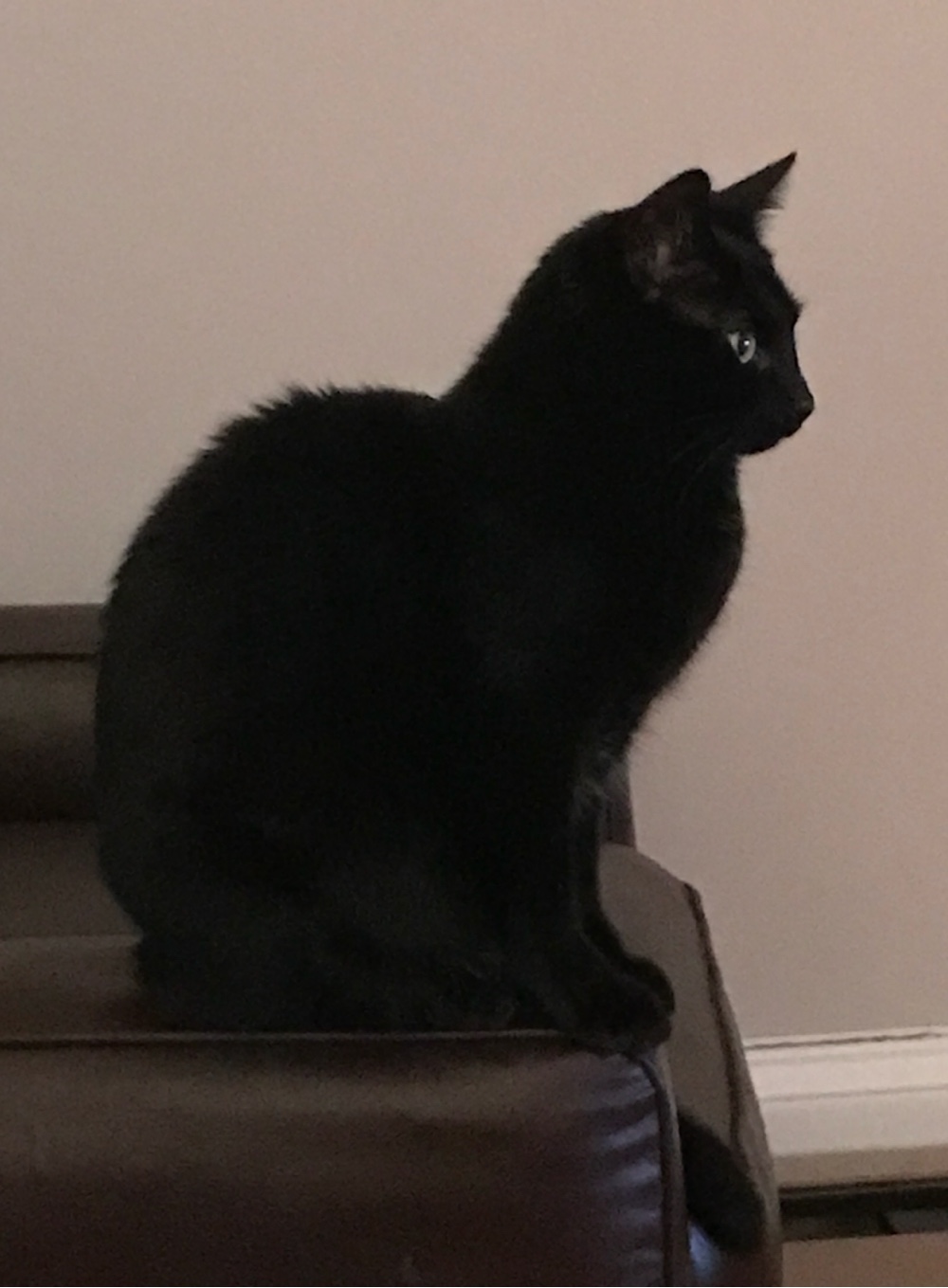
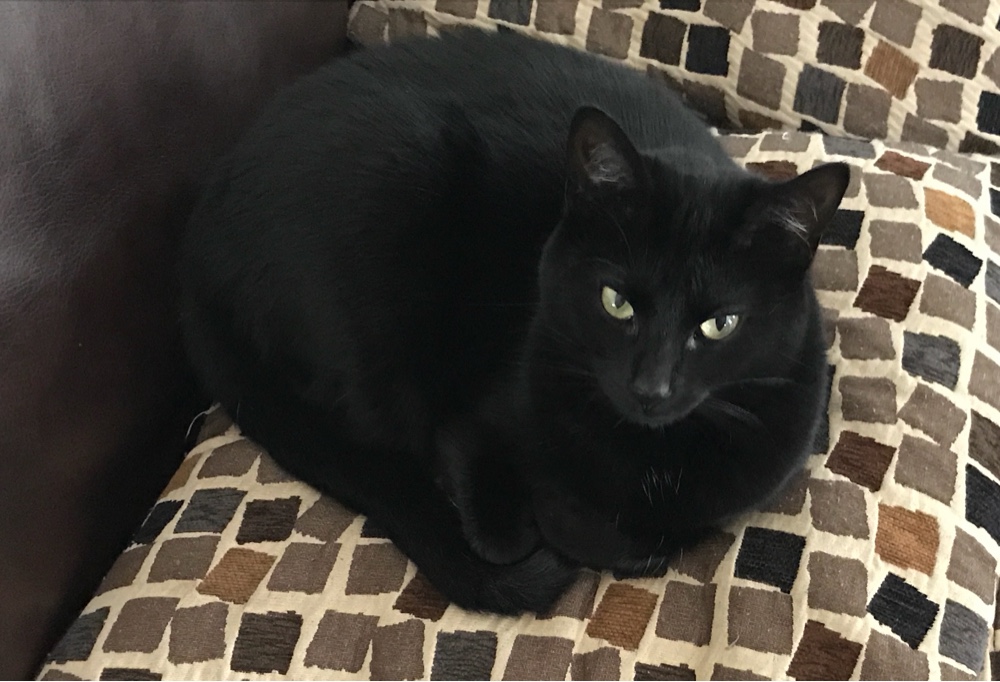
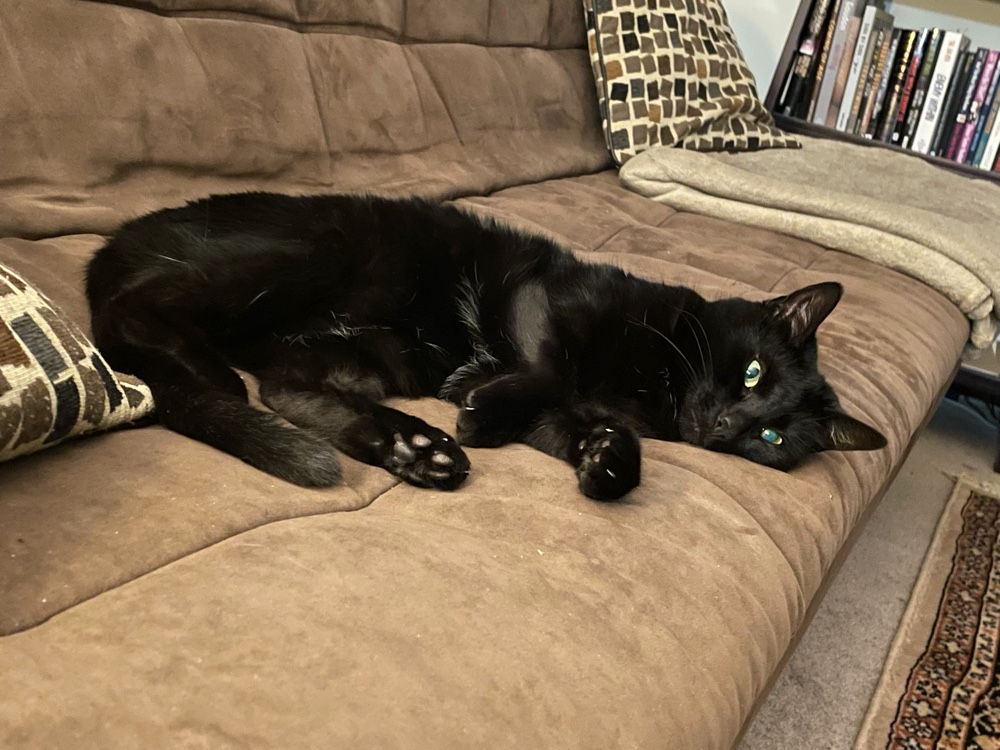
Sometimes, when the words won’t come, a quiet companion is more than enough.
Wednesday, February 18, 2026
More Than Just Getting Clean
 There’s something quietly powerful about a shower. It’s such an ordinary part of our routine that we rarely stop to think about how much it does for us beyond simple cleanliness. But the truth is, a shower can invigorate, restore, and even heal in ways we sometimes take for granted.
 If you’re like me and usually step under the water first thing in the morning, it becomes a ritual of renewal. The warmth, the sound, and the sensation of water hitting your skin have a way of waking the body more gently than any alarm clock. It’s a moment to start fresh, to clear away the last traces of sleep, and to steel yourself for the day ahead. On mornings when you feel sluggish or unfocused, a shower can be just the pick-me-up you need to get moving.
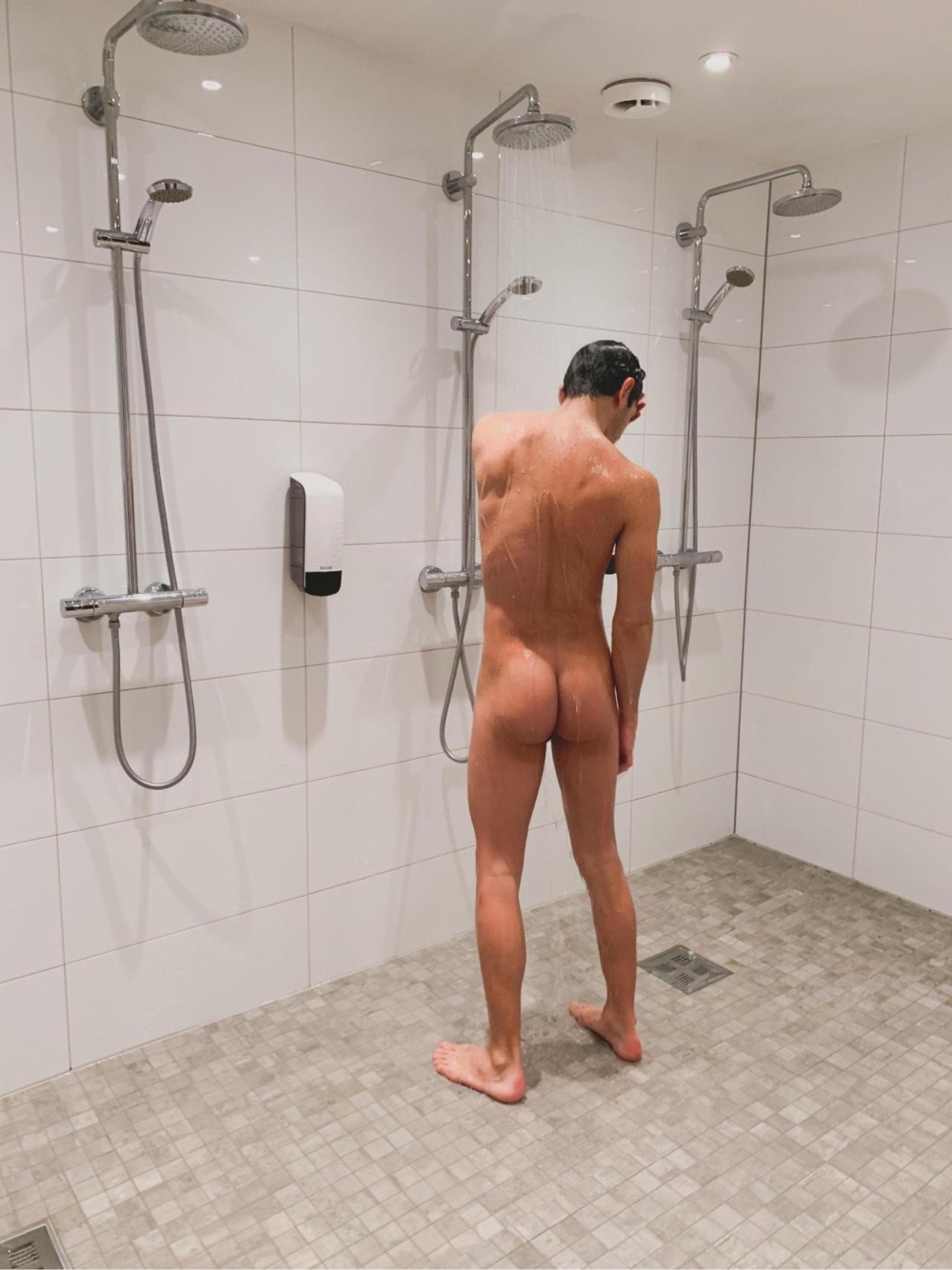 But showers do more than energize. They can be deeply healing, too. When you’re fighting off a cold or just feeling run down, the steam can open your breathing and make you feel like you’re cleansing from the inside out. After a workout, the water soothes tired muscles and helps your body begin to recover. Even when I have a migraine, standing under a steady stream can take the edge off the pain and ease the tension in my neck and shoulders. There’s a comfort in that simple act of letting the water run over you, as if it’s carrying away the strain.
 And then there’s the end-of-day shower. That one feels different. It’s slower, calmer. It washes away the stress, the frustration, the lingering weight of whatever the day has thrown at you. By the time you step out, your body is relaxed, your mind is quieter, and sleep comes more easily. It’s restorative in the truest sense.
 Of course, there’s one other thing a shower is famously good for. When your mind won’t stop wandering somewhere it probably shouldn’t, a brisk turn of the dial to cold has a way of bringing you right back to your senses. It’s amazing how quickly clarity can return when the water gets just a little bit icy.
A small word of advice, though: shower sex can sound hot—and sometimes it is—but it can also be risky. Water washes away lubrication, and many lubes aren’t suited for use in the shower, which can lead to discomfort or irritation. Add in slippery surfaces, tight spaces, and awkward footing, and it’s easy to lose your balance or end up with a fall instead of a good time. Sometimes it’s better to keep it simple—washing each other’s bodies and letting your hands roam can be hot and intimate enough all on its own.
Now, I’m off to take my shower. Have a great day, everyone!
Tuesday, February 17, 2026

Subscribe to:
Comments (Atom)