Monday, February 23, 2026

Not Feeling Well

There’s not much more to say today. I woke up with a migraine and some stomach pains, and my body is making it very clear that it’s not up for much of anything.
Sometimes the only responsible thing to do is listen when your body says, enough. So that’s what I’m doing. No deep thoughts, no long reflections—just rest.
I’m going back to bed and hoping that sleep does what sleep so often can: reset, restore, and heal.
See you tomorrow.
Sunday, February 22, 2026

🌈 Perfect Love Casts Out Fear

“There is no fear in love; but perfect love casteth out fear: because fear hath torment. He that feareth is not made perfect in love.”—1 John 4:18
Coming out seems easier for young people today than it once did. There are rainbow flags in storefront windows, affirming churches in many cities, and public figures who live openly and proudly. And yet—even in a world that appears more accepting—fear still lingers.
For my generation, and certainly for those who came before us, fear was woven into nearly every part of coming out. You could lose your family. You could lose your job. You could lose your church. In some cases, you could lose your life. We learned to measure our words, to watch our gestures, to survive quietly.
For those of us whose formative years unfolded during the height of the AIDS epidemic, fear was relentless. In the small Alabama town where I grew up, being gay meant being presumed sick. It meant whispered conversations. It meant pity at best and condemnation at worst. My mother was a public health nurse, and nearly every gay man she encountered had AIDS. As a young man, it felt inevitable—like coming out was not just a social risk but a death sentence.
But perhaps the deepest fear of all was not illness or rejection by society. It was the fear of rejection by God.
Growing up in the buckle of the Bible Belt, in the Church of Christ, faith shaped everything. I was taught that anyone who was not a member of the Church of Christ was going to Hell. That was presented as certainty. As truth. As doctrine.
When my parents found out I was gay, my mother said through tears, “I don’t want you going to Hell!”
She wasn’t trying to be cruel. She was afraid. Afraid for my soul. Afraid that something about me had placed me outside God’s grace.
But even before she said those words, something inside me already knew: I was not going to Hell for being gay.
By the time I was old enough to think more rationally, I had stopped believing that only one small group of Christians had a monopoly on heaven. I had come to understand God as bigger than our denominational lines. And at my core, I believed something simple and profound: I was a good person. I tried to love people. I tried to be kind. I tried to live with integrity. And good people do not go to Hell because of who they love.
More importantly, Scripture itself began to speak louder than fear.
As 1 John tells us plainly: “There is no fear in love.” Fear imagines punishment. Love promises belonging.
If God is love—as 1 John 4:8 declares—then anything rooted in terror, shame, or condemnation cannot be the final word of God. Romans 8:1 assures us, “There is therefore now no condemnation for those who are in Christ Jesus.” No condemnation. Not an asterisk. Not a hidden clause. None.
John 3:16 tells us that God so loved the world that He gave His Son. The world includes every race, every culture, every orientation, every identity. God’s love was not rationed out to a narrow few. It was poured out for all.
Ephesians 2:8 reminds us, “For by grace you have been saved through faith… it is the gift of God.” Salvation is a gift, not a reward for heterosexuality. Grace is not revoked by honesty.
Psalm 27:1 asks, “The Lord is my light and my salvation—whom shall I fear?” When God is our light, fear loses its authority. When God is our salvation, condemnation loses its grip.
This does not mean fear magically disappears. Many LGBTQ+ people still face rejection from families, congregations, and communities. Some churches speak the language of “love” while practicing mere toleration. Others still preach outright exclusion. The wounds are real.
But those voices are not the measure of God’s heart.
Isaiah 41:10 says, “Do not fear, for I am with you; do not be dismayed, for I am your God.” Notice what God promises: presence. Not abandonment. Not exile. Presence.
And perhaps the most comforting promise is found in Romans 8:38–39: “For I am convinced that neither death nor life… nor anything else in all creation, will be able to separate us from the love of God.” Not family fear. Not church doctrine. Not sexuality. Nothing.
Coming out—whether to others or to ourselves—is often an act of courage. It is also, in many ways, an act of faith. It is choosing truth over secrecy, integrity over fear. It is trusting that the God who created us knows us fully and loves us completely.
And 1 John 4:18 does not say fear never existed. It says perfect love drives it out. The more deeply we root ourselves in God’s love, the less power fear has over us. Fear may knock, but love answers the door.
My mother feared for my soul. But I have come to rest in something stronger than fear: the unshakable love of God.
Perfect love casts out fear.
Not because the world is always safe.
Not because every church is affirming.
But because God’s love is deeper than our doctrines, wider than our denominations, and stronger than our shame.
And that love will never let you go. 🌈
Saturday, February 21, 2026

Moment of Zen: Sleeping In
 I got up and fed Isabella at about 4:00 a.m. and then went back to sleep. I slept until after 6 a.m., which I rarely do, but it’s nice to sleep in sometimes.








Friday, February 20, 2026

The Calm before the Storm

I’m so glad it’s Friday — and even more glad that I’m working from home today.
It’s not that this week has been terrible. The early part of it was a bit rough, but once I settled into a project and stayed busy, things evened out. Sometimes the best remedy for stress is simply having something meaningful to focus on.
That said, I have zero desire to go anywhere today. I woke up with a headache, which almost certainly means a storm is rolling in this evening. My migraines are usually more accurate than the local meteorologist when it comes to predicting the weather. If my head starts throbbing, you can safely assume precipitation is on the way.
Isabella has already been fed and is currently enjoying her very important post-breakfast nap. She takes that ritual very seriously. Since the house is quiet and I have the luxury of being home, I think I might follow her example and go back to sleep for a little while before officially starting my day.
Sometimes listening to your body is the most productive thing you can do.
I hope you all have a restful, peaceful weekend — whether you’re braving the storm or staying cozy inside.
Thursday, February 19, 2026

When the Words Won’t Come

This week, I’ve struggled with what to write.
It doesn’t happen often, but every now and then, the words just… stall. Maybe it’s a bit of stress at work. Maybe it’s mental clutter. Maybe it’s simply that there are seasons when nothing feels particularly profound or pressing enough to turn into a post. For someone who writes almost every day, that can feel unsettling.
Writer’s block has a way of whispering, you’ve run out of things to say. But I know that isn’t true. Life is still unfolding. Thoughts are still forming. They’re just quieter this week.
And maybe that’s okay.
Not every week has to be a carefully crafted reflection. Not every day needs a tidy moral or an eloquent conclusion. Sometimes we’re just tired. Sometimes we’re in between ideas. Sometimes we need to sit in the stillness and trust that creativity, like everything else, moves in cycles.
I suspect the words will come back soon. They always do.
In the meantime, I’ll leave you with something that never fails to bring a bit of peace into my life—a few Isabella Pics of the Week. It’s been a while since I’ve shared one, so here you go. 🐾
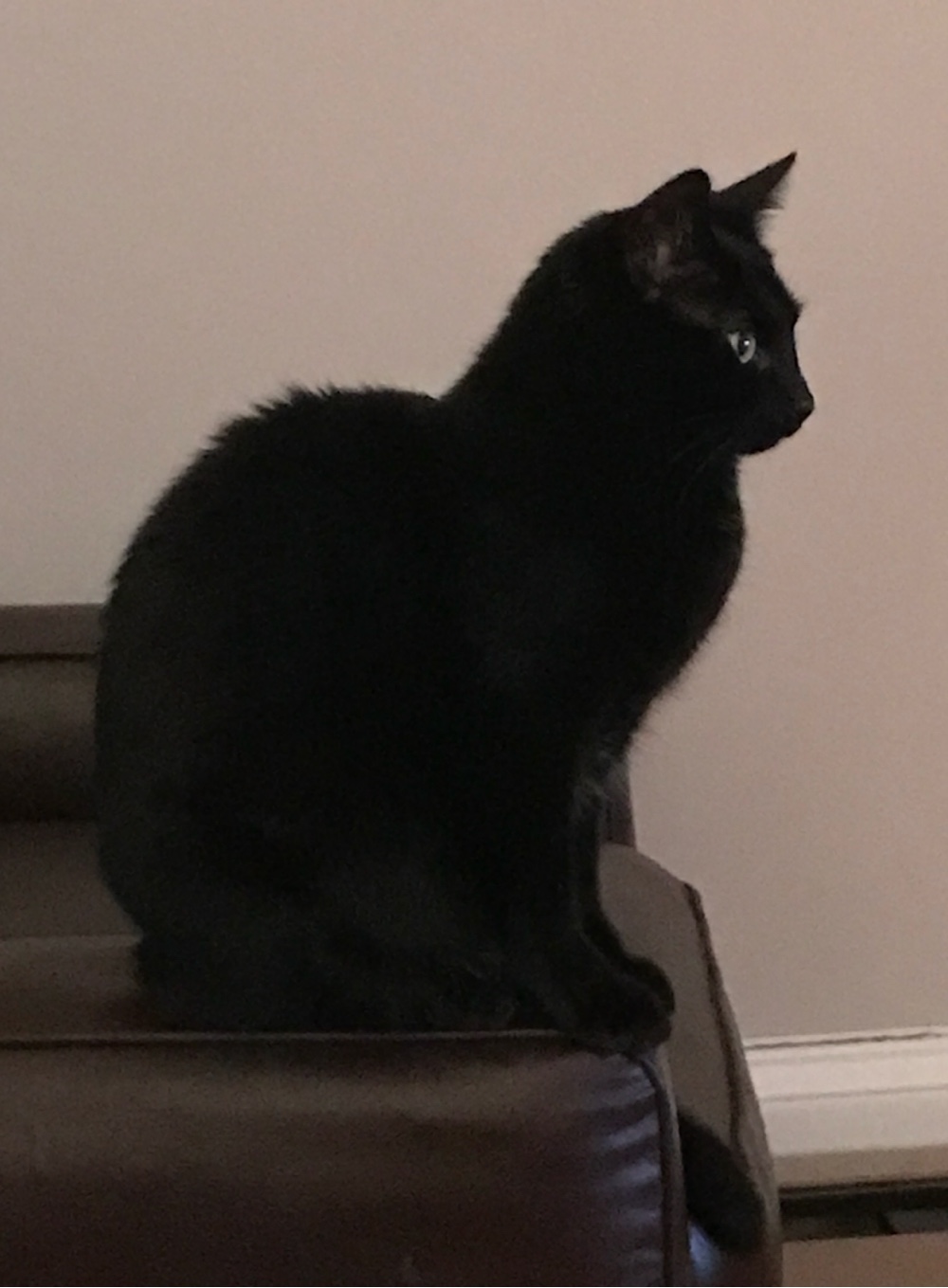
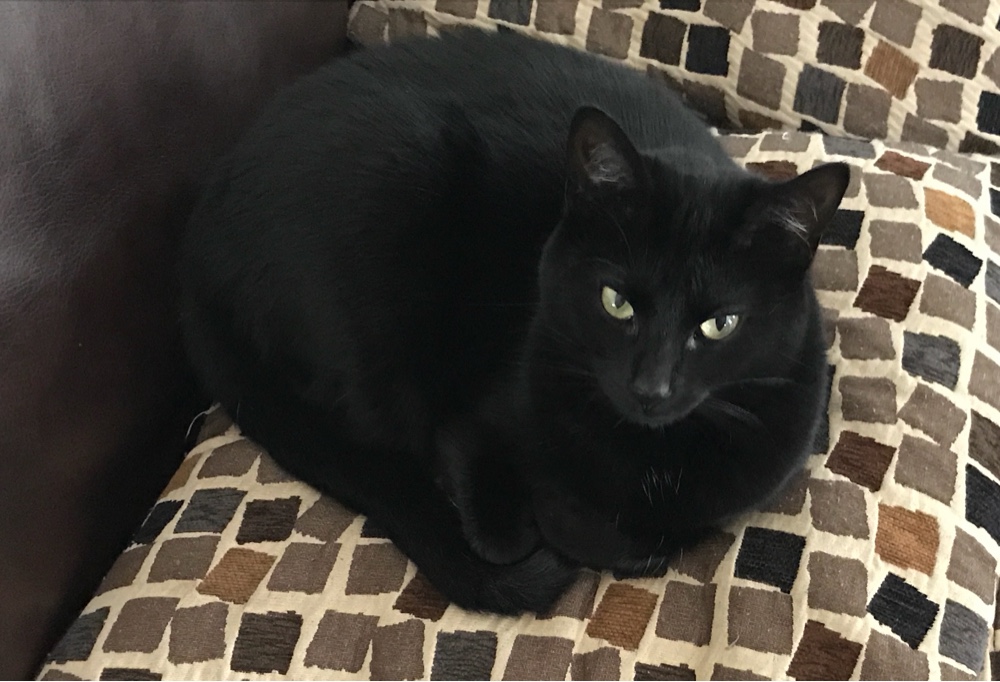

Sometimes, when the words won’t come, a quiet companion is more than enough.
Wednesday, February 18, 2026

More Than Just Getting Clean
 There’s something quietly powerful about a shower. It’s such an ordinary part of our routine that we rarely stop to think about how much it does for us beyond simple cleanliness. But the truth is, a shower can invigorate, restore, and even heal in ways we sometimes take for granted.
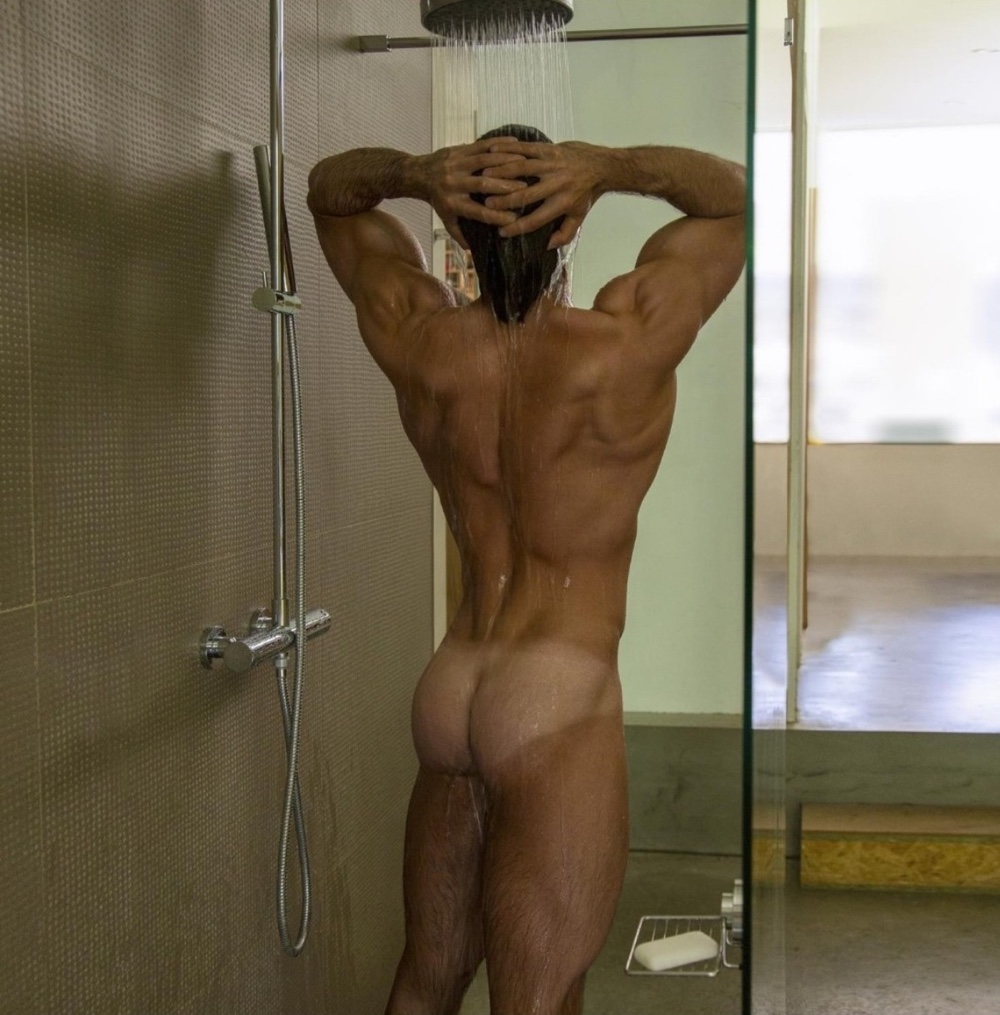 If you’re like me and usually step under the water first thing in the morning, it becomes a ritual of renewal. The warmth, the sound, and the sensation of water hitting your skin have a way of waking the body more gently than any alarm clock. It’s a moment to start fresh, to clear away the last traces of sleep, and to steel yourself for the day ahead. On mornings when you feel sluggish or unfocused, a shower can be just the pick-me-up you need to get moving.
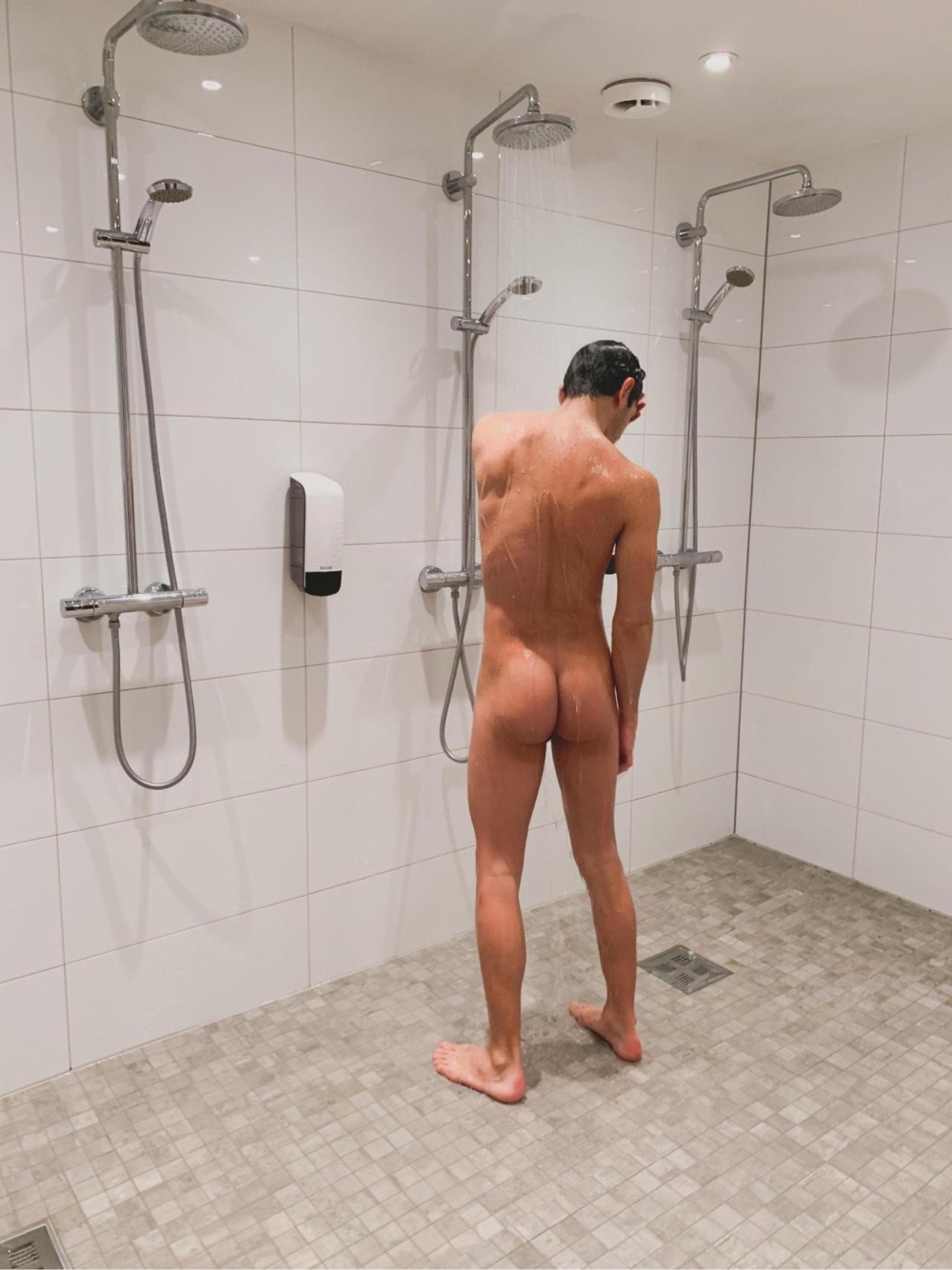 But showers do more than energize. They can be deeply healing, too. When you’re fighting off a cold or just feeling run down, the steam can open your breathing and make you feel like you’re cleansing from the inside out. After a workout, the water soothes tired muscles and helps your body begin to recover. Even when I have a migraine, standing under a steady stream can take the edge off the pain and ease the tension in my neck and shoulders. There’s a comfort in that simple act of letting the water run over you, as if it’s carrying away the strain.
 And then there’s the end-of-day shower. That one feels different. It’s slower, calmer. It washes away the stress, the frustration, the lingering weight of whatever the day has thrown at you. By the time you step out, your body is relaxed, your mind is quieter, and sleep comes more easily. It’s restorative in the truest sense.
 Of course, there’s one other thing a shower is famously good for. When your mind won’t stop wandering somewhere it probably shouldn’t, a brisk turn of the dial to cold has a way of bringing you right back to your senses. It’s amazing how quickly clarity can return when the water gets just a little bit icy.
A small word of advice, though: shower sex can sound hot—and sometimes it is—but it can also be risky. Water washes away lubrication, and many lubes aren’t suited for use in the shower, which can lead to discomfort or irritation. Add in slippery surfaces, tight spaces, and awkward footing, and it’s easy to lose your balance or end up with a fall instead of a good time. Sometimes it’s better to keep it simple—washing each other’s bodies and letting your hands roam can be hot and intimate enough all on its own.
Now, I’m off to take my shower. Have a great day, everyone!
Tuesday, February 17, 2026

Night Was Done
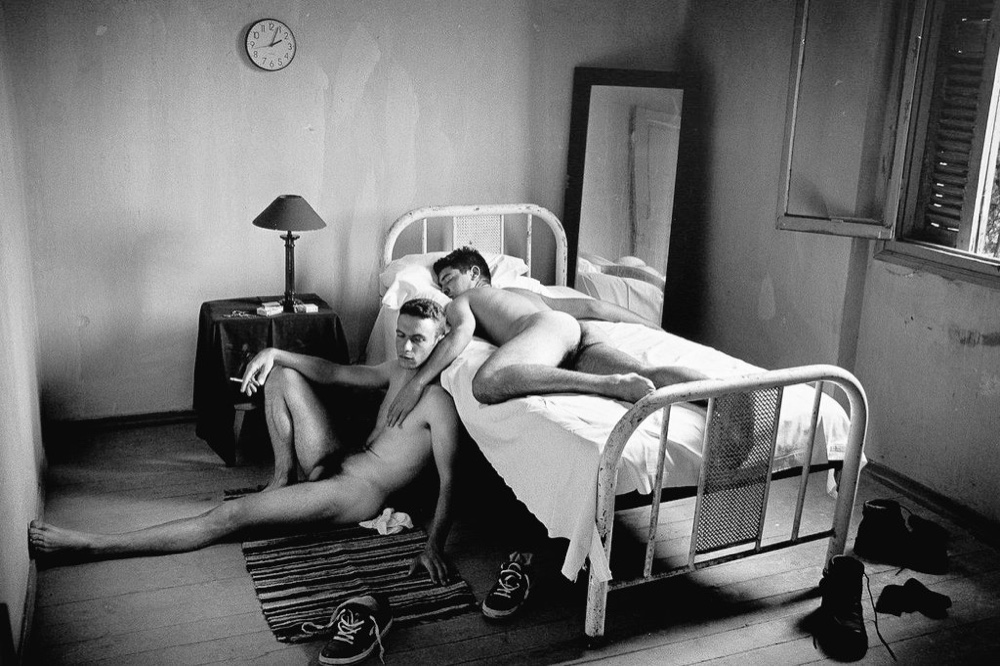
Night Was Done
By Mikhail Kuzmin
Night was done. We rose and after
Washing, dressing,—kissed with laughter,—
After all, the sweet night knows.
Lilac breakfast cups were clinking
While we sat like brothers drinking
Tea,—and kept our dominoes.
And our dominoes smiled greeting,
And our eyes avoided meeting
With our dumb lips’ secrecy.
“Faust” we sang, we played, denying
Night’s strange memories, strangely dying,
As though night’s twain were not we.
There is something exquisitely tender—and quietly defiant—about this small poem. It feels almost domestic, almost harmless. And yet, in its historical context, it is anything but.
In “Night Was Done,” Mikhail Kuzmin captures a morning after—a moment of intimacy between two men—rendered not with tragedy or shame, but with softness, playfulness, and quiet conspiracy.
The night has passed.
“They rose.”
They wash, dress—and kiss with laughter.
There is no guilt in the kiss. Only warmth.
But the world still exists outside the room.
The poem turns on that delicate tension between what is shared privately and what must be disguised publicly. The men sit “like brothers drinking / Tea.” The phrasing is deliberate. They perform normalcy. They cloak eros in fraternity. In a society where same-sex love could not be openly acknowledged, “like brothers” becomes a mask.
And yet the mask does not fully convince.
“Our dominoes smiled greeting.” Dominoes are a game, yes—but they are also a metaphor. Masks. Faces placed in order. Pieces aligned to create patterns. The game becomes a ritual of denial, something to fill the space where touch had been.
“And our eyes avoided meeting / With our dumb lips’ secrecy.”
That line is devastating. The lips are “dumb”—not because they lack speech, but because they must remain silent. The eyes avoid one another not from lack of feeling, but because looking would reignite memory. Looking would make the night real again.
They sing “Faust,” they play, they deny.
“As though night’s twain were not we.”
Twain—two. The night made them two-in-one. Morning separates them back into individual men, back into roles, back into something socially legible. But the poem refuses to let us forget: they were the night. They are the twain.
This is what makes the poem profoundly LGBTQ+. It is not flamboyant or declarative. It is intimate, coded, domestic. It understands the choreography of queer survival: laughter, breakfast cups, games, avoidance, denial. It shows how love must sometimes be folded into ordinary gestures to remain safe.
And yet the poem does not feel ashamed. It feels wistful. Tender. Almost smiling.
The sweet night knows.
About the Poem
“Night Was Done” was written during Russia’s Silver Age, a period of artistic experimentation and aesthetic refinement in the early 20th century. While much queer literature of the time leaned toward tragedy, pathology, or moral warning, Kuzmin’s poem offers something radically different: normalization.
There is no punishment in the poem. No fall. No moral reckoning. Instead, we see lovers sharing tea.
The poem’s power lies in its subtlety. The queerness is unmistakable—two men rising together after a night, kissing, performing brotherhood in daylight—but it is never sensationalized. This quietness is itself political. It asserts that same-sex intimacy can be ordinary, playful, and woven into daily life.
In this way, the poem anticipates later LGBTQ+ literature that focuses not just on suffering, but on tenderness and domestic intimacy.
It is a morning-after poem—but also a poem about survival. About how queer love lives in glances, in laughter, in games, in what is not said.
About the Poet
Mikhail Kuzmin (1872–1936) was one of the first major Russian writers to write openly and positively about homosexuality. A central figure of the Russian Silver Age, he was a poet, novelist, composer, and cultural tastemaker in St. Petersburg’s artistic circles.
In 1906, he published the groundbreaking novel Wings, which portrays a young man’s awakening to same-sex love without condemning it. This was extraordinary for its time. Kuzmin himself lived relatively openly within artistic communities and had long-term relationships with men.
After the Bolshevik Revolution, attitudes toward homosexuality hardened, and under Stalin it was recriminalized. Kuzmin’s later years were marked by marginalization, but his legacy endures as a pioneering queer voice in Russian literature.
What makes Kuzmin so important for LGBTQ+ readers today is not simply that he was gay—but that he wrote love without apology. He gave us mornings after. He gave us tea cups and laughter. He gave us the twain.
And in doing so, he reminds us that queer love has always existed—not only in rebellion, but in tenderness.
Monday, February 16, 2026
First Fake Spring
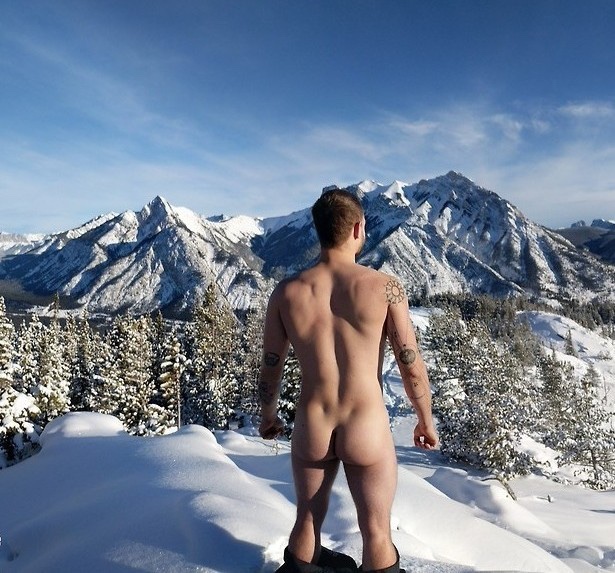
Another work week begins—unless you’re in the U.S. and lucky enough to have Presidents’ Day off. I am not among the fortunate, so it’s business as usual for me. Wednesday will be the busy day this week, but unless something unexpected pops up, the rest should be fairly easygoing. I’ll take that.
The bigger story, though, is the weather. We’re supposed to climb above freezing nearly every day this week. Not enough to melt all the snow, but enough to make things sloppy. And since it’s February, this would officially mark the arrival of Vermont’s first Fake Spring.
For those unfamiliar, Vermont doesn’t really have four seasons. We have eleven:
Winter → Fake Spring → Second Winter (usually worse than the first) → Spring of Deception → Third Winter → Mud Season → Actual Spring (which lasts approximately 4–8 days) → Summer (gorgeous) → False Fall → Second Summer (also gorgeous) → Actual Fall.
Right now, we’re squarely in that hopeful, misleading stretch where the sun feels warmer, the air softens just a bit, and you start to believe we’ve turned a corner. We haven’t. Second Winter is lurking. It always is.
Still, I’ll enjoy the small mercies—slightly warmer afternoons, a bit more daylight, the sense that we’re inching toward something brighter, even if it’s two or three fake-outs away. Fake Spring may live up to its name, but I’m willing to be fooled for a few days.
I hope your week is steady and kind, wherever you are in your own seasonal cycle.
Sunday, February 15, 2026
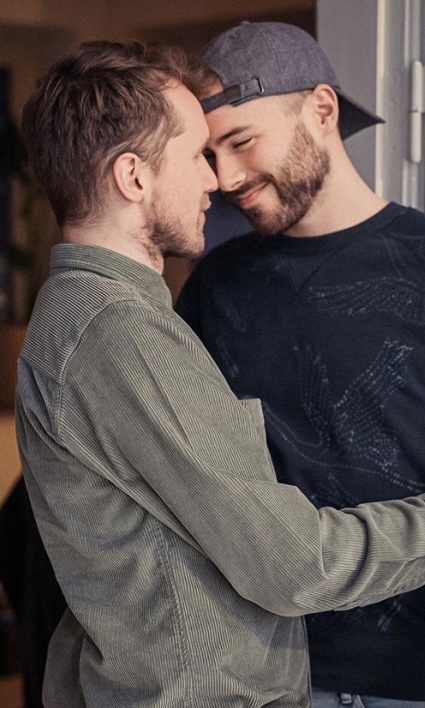
The Greatest Gift That Remains 💖
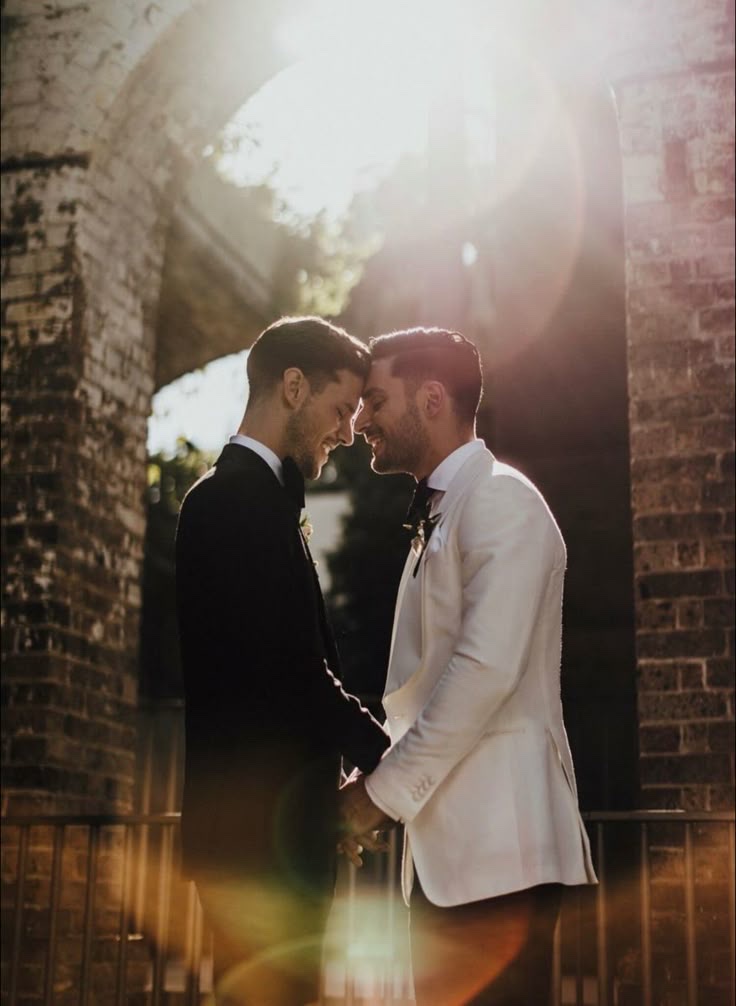
Yesterday was Valentine’s Day. There were roses and candlelight, sweet messages and quiet longings. For some, it was joyful. For others, it stirred complicated emotions. For many LGBTQ+ Christians, days like yesterday can awaken old questions: Is my love real? Is it holy? Is it enough?
Today we turn to 1 Corinthians 13 — often called the “Love Chapter.” Paul does not define love by cultural expectations or by who is allowed to participate in it. He defines love by its character. In 1 Corinthians 13:4, he writes, “Love is patient; love is kind; love is not envious or boastful or arrogant.” This is not sentimentality. It is substance. Love is not prideful. It does not seek to dominate. It does not diminish another.
Then Paul deepens the portrait: “Love bears all things, believes all things, hopes all things, endures all things. Love never fails” (1 Corinthians 13:7–8). Real love shows up in hardship. It carries weight. It hopes when hope feels fragile. It remains when walking away would be easier. This kind of love is resilient and faithful.
For those who have been told their love is invalid simply because of who they love, these verses shift the focus. The question is not whether your love fits someone else’s comfort. The question is whether your love reflects patience, kindness, endurance, humility, and truth. Paul never limits love by gender; he reveals love by its fruit.
He concludes with steadying words: “And now faith, hope, and love abide, these three; and the greatest of these is love” (1 Corinthians 13:13). Faith sustains us. Hope carries us forward. But love is the greatest gift — the one that remains.
The Apostle John echoes this truth in 1 John 4:7–12: “Beloved, let us love one another, because love is from God; everyone who loves is born of God and knows God.” John goes further still: “Whoever does not love does not know God, for God is love.” He reminds us that God’s love was revealed in Christ — embodied, sacrificial, and self-giving. “No one has ever seen God; if we love one another, God lives in us, and his love is perfected in us.”
When we love with patience and kindness, we make the invisible God visible.
John also writes, “There is no fear in love, but perfect love casts out fear” (1 John 4:18). Many LGBTQ+ believers learned fear before they learned love — fear of rejection, fear of being wrong, fear that God’s love might not include them. But perfect love drives fear out. Fear is not the language of God. Love is.
Paul reinforces this in Romans 13:8: “Owe no one anything, except to love one another; for the one who loves another has fulfilled the law.” And in Romans 13:10, he makes it unmistakably clear: “Love does no wrong to a neighbor; therefore, love is the fulfilling of the law.” If love fulfills the law, then love cannot at the same time be its violation. Love that does no harm, that seeks the good of another, that practices patience and kindness — that love stands within the heart of God’s command.
The day after Valentine’s Day invites us beyond roses and romance into something deeper and steadier. Whether you are partnered or single, celebrated or unseen, your worth is not defined by a holiday or by someone else’s theology. You are invited into the love that bears all things, hopes all things, endures all things — the love that never fails. Faith and hope sustain us, but the greatest of these is love. Perfect love casts out fear. Love fulfills the law. And at the center of it all, beyond every argument and every doubt, stands this unshakable truth: God is love.
Saturday, February 14, 2026

Moment of Zen: Kissing 💋










Happy Valentine’s Day, dear friends—may you feel deeply loved today, whether that love comes from a partner, a friend, your chosen family, or the quiet, steadfast grace that reminds you you are worthy of love. 💕
❤️ Happy Valentine’s Day!❤️

Subscribe to:
Comments (Atom)