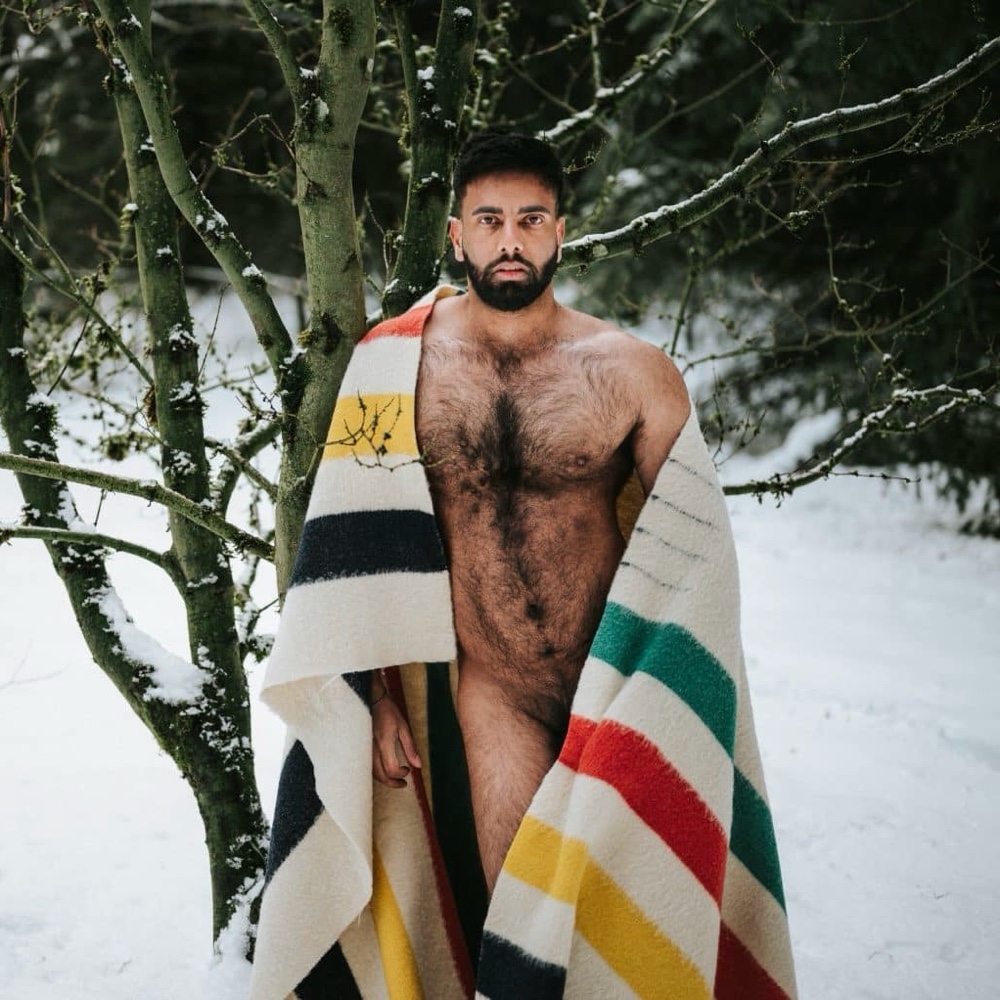
Stopping by Woods on a Snowy Evening
Whose woods these are I think I know.
His house is in the village though;
He will not see me stopping here
To watch his woods fill up with snow.
My little horse must think it queer
To stop without a farmhouse near
Between the woods and frozen lake
The darkest evening of the year.
He gives his harness bells a shake
To ask if there is some mistake.
The only other sound’s the sweep
Of easy wind and downy flake.
The woods are lovely, dark and deep.
But I have promises to keep,
And miles to go before I sleep,
And miles to go before I sleep.
There are poems that announce themselves loudly, and then there are poems that arrive quietly—almost unnoticed—yet linger with us long after we’ve finished reading. “Stopping by Woods on a Snowy Evening” is very much the latter. It asks us to slow down, to pause, to notice the beauty of stillness in a world that rarely allows it.
This short poem has become one of the most beloved in American literature not because it explains itself, but because it leaves space—for reflection, longing, and a kind of gentle ache that feels deeply human.
What makes the poem so powerful is its tension. The woods are described as “lovely, dark and deep”—inviting, restful, and perhaps a little dangerous. They offer escape, quiet, even surrender. But the speaker does not remain. Instead, the poem ends with the now-famous lines:
But I have promises to keep,
And miles to go before I sleep.
Those lines can be read many ways. On the surface, they suggest responsibility and duty. Beneath that, though, is a more complicated emotional truth: the recognition that rest and peace are desirable, but not always possible—not yet.
For many readers, the poem becomes a meditation on temptation, obligation, exhaustion, or even mortality. It doesn’t resolve those tensions. It simply names them—and then moves on.
For LGBTQ+ readers, “Stopping by Woods on a Snowy Evening” can resonate in particularly meaningful ways.
The woods—beautiful, hidden, and private—can feel like a metaphor for inner truth or unspoken desire. They are a place away from watchful eyes, where one can pause and simply be. For those who have lived parts of their lives unseen or unacknowledged, that moment of stopping can feel deeply familiar.
And yet, the poem does not allow the speaker to stay. There are promises to keep. Expectations. Roles. Responsibilities. Many LGBTQ+ people know this tension well—the pull between authenticity and obligation, between rest and resilience, between longing and survival.
What’s striking, though, is that the poem does not judge the pause. The stopping itself is not framed as wrong. It is necessary. It is human. The speaker is allowed that moment of beauty and stillness before continuing on.
In that sense, the poem offers a quiet kind of grace. It reminds us that even when we must keep moving, even when the world demands our labor and endurance, we are still allowed moments of rest, reflection, and beauty. We are allowed to stop—if only briefly—and acknowledge what calls to us from within.
Sometimes faith, poetry, and queerness meet not in declarations, but in silence. In the hush of falling snow. In a pause on a dark road. In a recognition that the journey is long—and that rest, when it comes, is holy.
And still, gently, we go on.
About the Poet
Robert Frost is often remembered as a poet of rural New England, plain speech, and traditional forms. That reputation, while accurate, can also be misleading. Frost’s work is rarely simple. Beneath its conversational tone lie psychological depth, ambiguity, and emotional restraint.
Frost lived much of his life balancing contradictions: public success and private grief, traditional forms and modern anxieties, belonging and isolation. He experienced profound personal loss, including the deaths of several children and ongoing struggles with depression within his family.
While Frost did not publicly identify as queer, modern readers and scholars have long noted the emotional intensity of his male friendships and the recurring themes of solitude, secrecy, and inner division in his work. As with many writers of his era, what could not be openly named often found expression indirectly—through landscape, silence, and restraint.

5 comments:
Dearest Joe,
Thank you for posting this. I still remember reading it in elementary school and having an overall feeling of peacefulness. That, and the line, "to watch his woods fill up with snow," has always seemed a perfect visual of what snow does, but I would have never thought of it in that context without RF's eloquence. Such a treat to see it again. <3
Looks like a Hudson Bay blanket over his shoulders, to keep the chill out.
Yes it is a Hudson Bay colors blanket. Hudson Bay closed all his stores in autumn 2025. It was the oldest company in Canada. Now those Hudson Bay's brand marks will be part of the Canadian Tire stores which bought those.
I can’t remember when I first read this poem, in grade school no doubt, but I do remember thinking: now that’s poetry!
Lovely. Reminds me of Minnesota winters.
Being from Nova Scotia, JiEL, the Bay had a lot of history behind it & a sad loose.Thought it was one of their blankets.
Post a Comment