 |
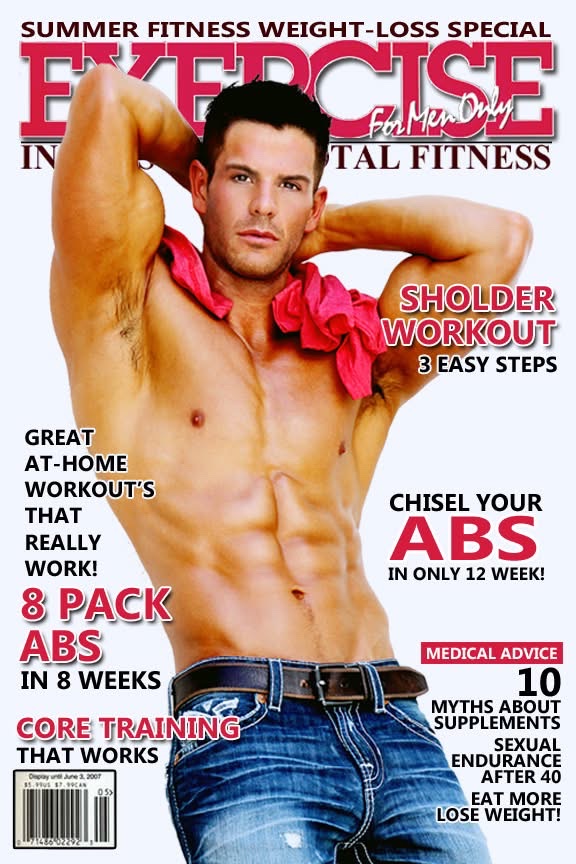
| Exercise for Men Only, July 2, 2007 |
There has always been something fascinating about the male body. It can be admired as art, celebrated as athletic achievement, studied as anatomy, or appreciated simply for its beauty. Throughout history, those perspectives have often overlapped, and for many gay men, images of the male physique have occupied a unique place in our lives.
Long before Instagram influencers and glossy fitness magazines, photographers were trying to answer a scientific question: How does the human body move?
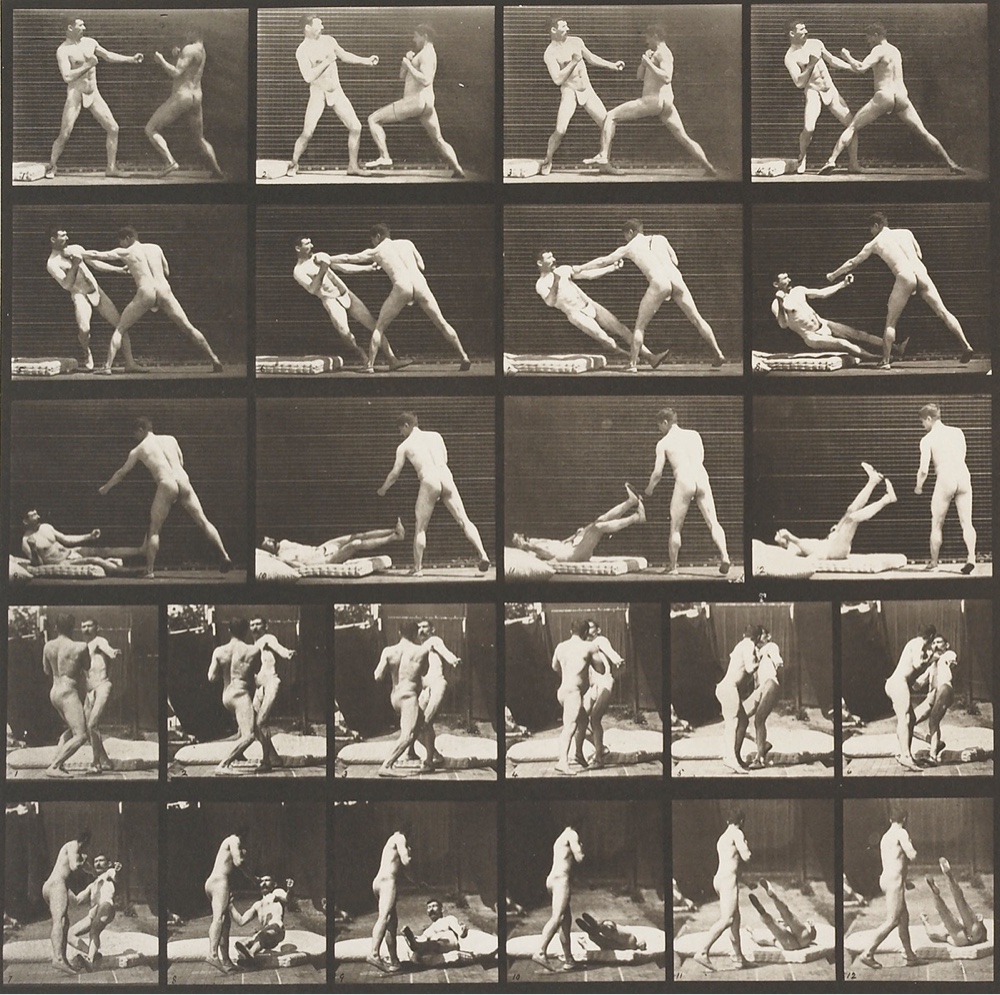 |
| Eadweard Muybridge, Boxing one man, knocking down the other. Plate 33 from Animal Locomotion. 1887. |
In the 1870s, photographers like Eadweard Muybridge created sequential photographs of men walking, running, jumping, lifting weights, and performing everyday tasks. His goal wasn’t to create art or erotica but to study movement. Even so, those photographs became some of the earliest detailed visual records of the male body in motion. Looking at them today, it’s hard not to appreciate not only the science behind them but also the elegance of the human form.
By the end of the nineteenth century, the Physical Culture movement transformed muscularity into an ideal. Strongmen such as Eugen Sandow promoted exercise, discipline, and health while consciously modeling themselves after the proportions of classical Greek sculpture. Their photographs and cabinet cards were sold around the world as examples of physical perfection, blending athletics with aesthetics in ways that still influence fitness culture today.
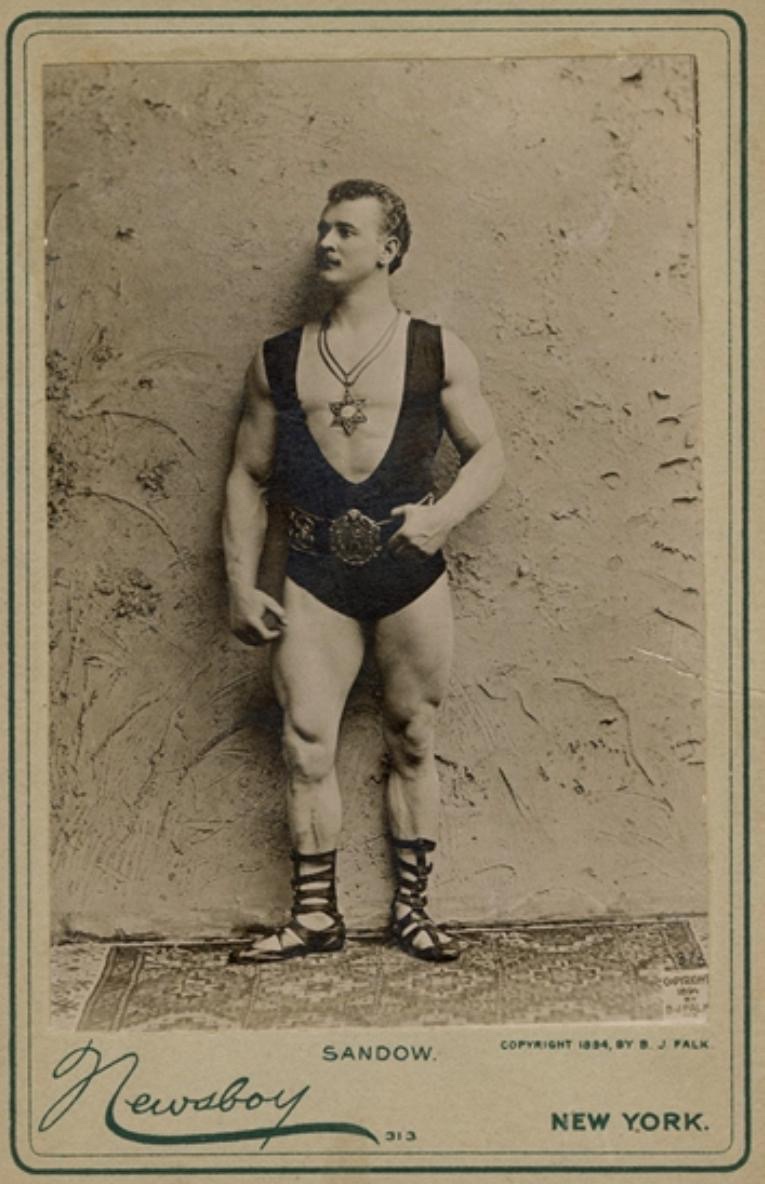 |
| Eugen Sandow |
Following World War II, admiration of the male physique found a new outlet in the pages of physique magazines.
Magazines such as Physique Pictorial presented themselves as bodybuilding and health publications, carefully navigating obscenity laws by emphasizing exercise, posing, and anatomy. Officially, they promoted physical fitness. Unofficially, they became an important part of gay visual culture.
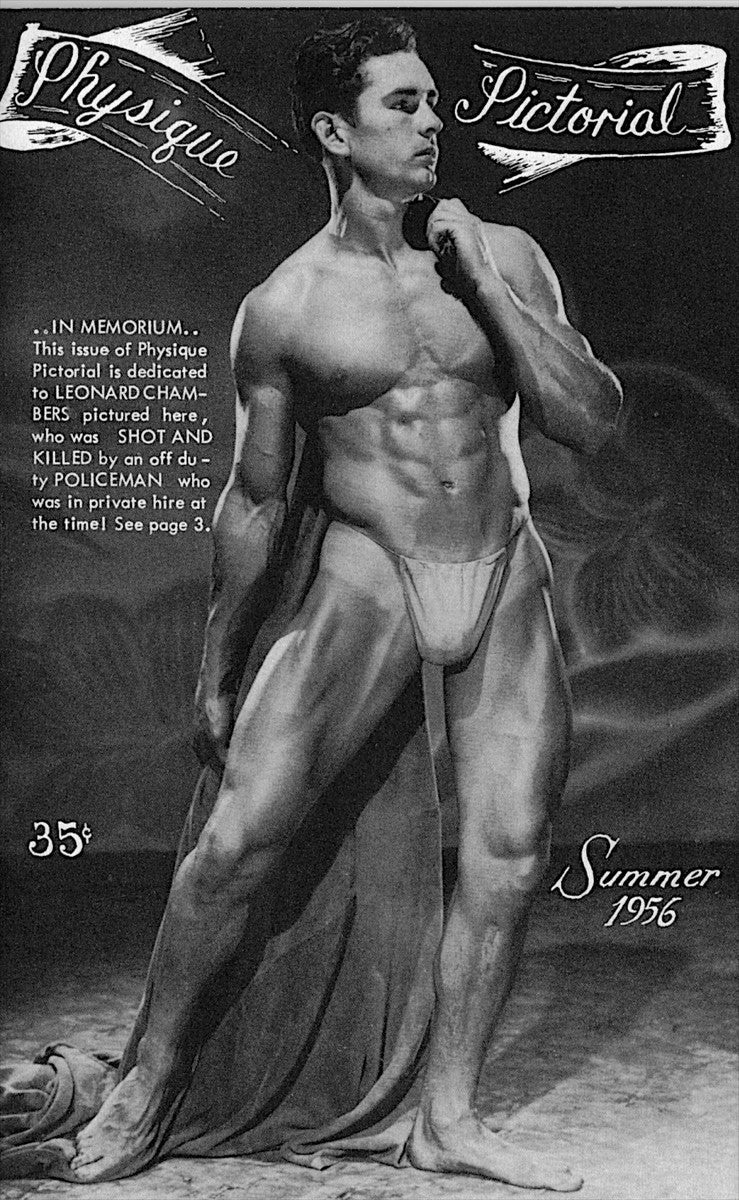 |
| Physique Pictorial, Summer 1956 |
For many gay men living in an era when openly gay publications were illegal, censored, or difficult to obtain, these magazines offered something invaluable: photographs of handsome, muscular men that could be purchased without openly identifying oneself as gay. The language was coded, but many readers understood exactly who the magazines were speaking to.
By the 1970s and 1980s, bodybuilding had entered the mainstream. The popularity of Arnold Schwarzenegger, the success of Pumping Iron, and the explosion of commercial gyms made fitness part of everyday culture. At the same time, gyms became important social spaces within many gay communities. Building a muscular physique became not only a personal goal but, for many, part of a broader cultural identity.
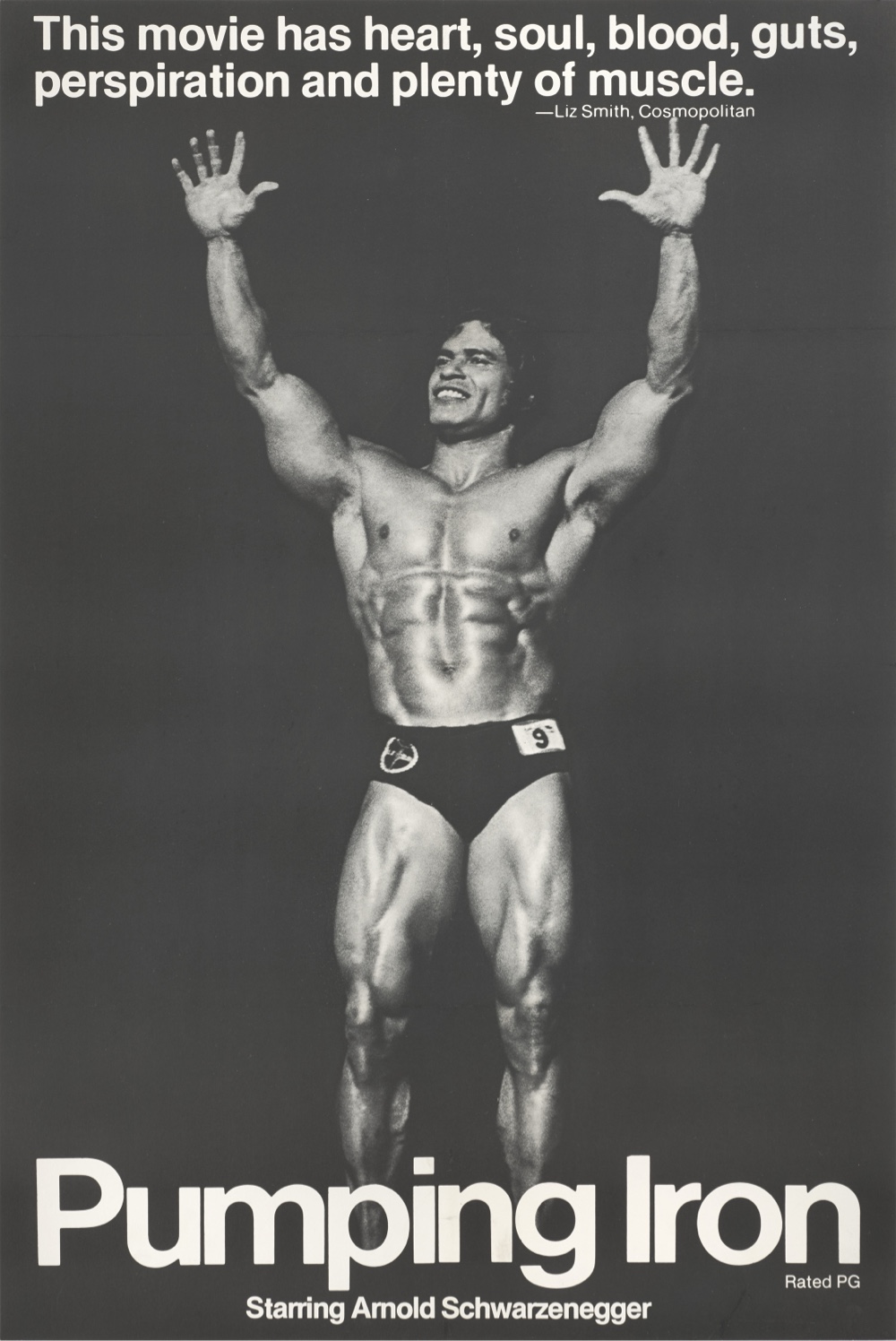 |
| Pumping Iron, Official Release Poster, 1977 |
The magazine rack reflected those changes.
Throughout the 1980s and 1990s, publications such as Men’s Health, Men’s Fitness, Muscle & Fitness, Flex, Ironman, and Muscular Development shared shelf space with magazines like Exercise for Men Only and Men’s Exercise. Most were marketed simply as fitness magazines. They offered workout routines, nutrition advice, and health information for anyone interested in getting into better shape.
Yet for many gay readers, they offered something more.
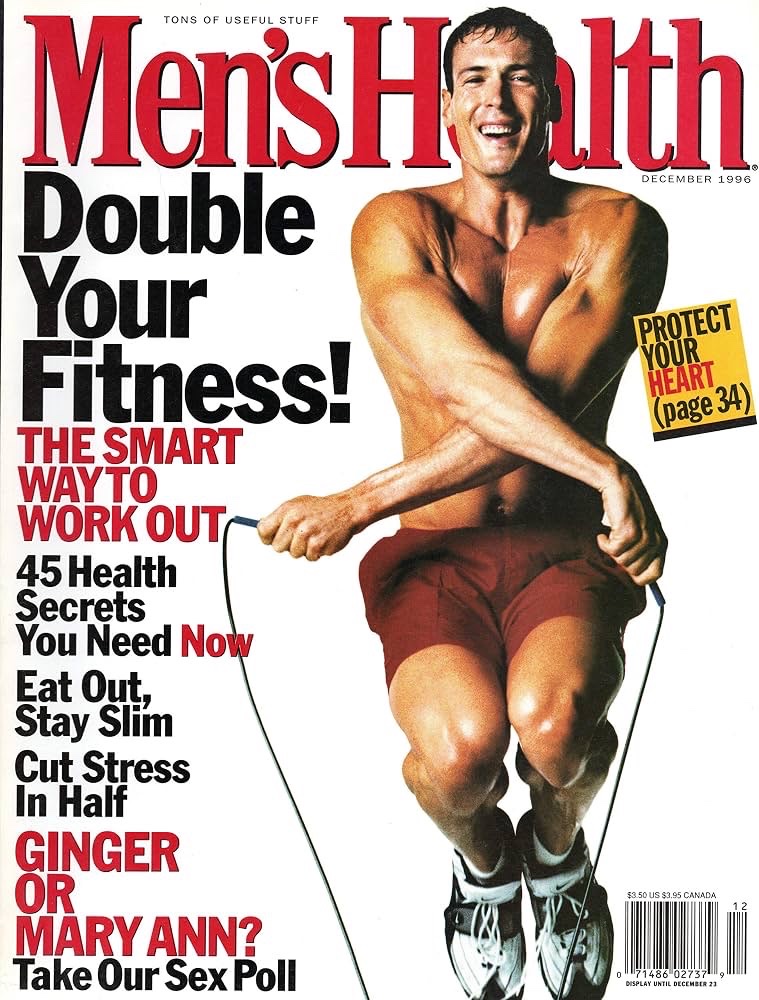 |
| Men's Health, December 1996 |
Whether that was the publishers’ intention hardly matters. Page after page featured handsome, athletic men photographed in ways that highlighted the results of countless hours in the gym. They were aspirational. They were educational. And yes, they were beautiful. For many of us, these magazines became one of the few socially acceptable ways to spend time looking at other men.
Then the internet changed everything.
Websites replaced magazine racks. Discussion forums replaced classified advertisements. Eventually, Instagram, TikTok, and YouTube transformed fitness media into an endless stream of photos and videos available at any moment.
Today’s fitness influencers represent the latest chapter in this history.
Some focus on demonstrating workouts and explaining nutrition. Others invite followers into their daily lives, sharing not only how they train but how they eat, travel, work, and relax. One example is Matt Convard, a gay fitness influencer whose content revolves around exercise, healthy eating, and maintaining an active lifestyle. His posts naturally showcase the physique he has worked hard to build, but they also reveal his personality, relationships, and daily routines.
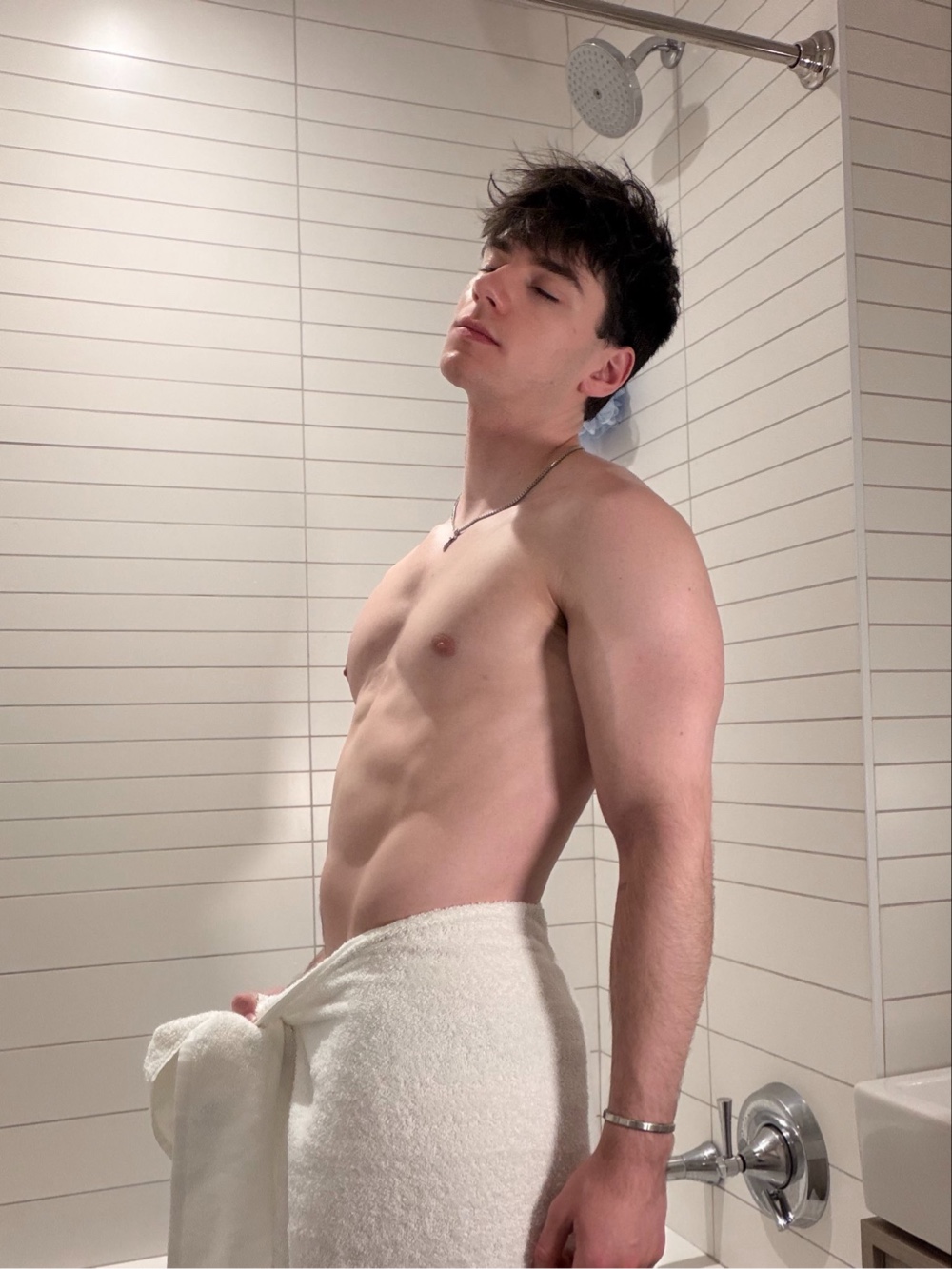 |
| @Matt Convard, Instagram |
What makes Matt particularly interesting is the line he has chosen to draw. In an era when many fitness influencers use social media to funnel followers toward increasingly explicit subscription platforms, Matt does not. Even his Patreon remains free of nudity. He understands that confidence, personality, and a well-earned physique can capture an audience without revealing everything. There is certainly an element of teasing—highlighting his muscles, a well-fitted pair of shorts, or the outline of a bulge—but it remains suggestive rather than explicit.
In many ways, he reminds me of the best physique photography from earlier generations. The goal isn’t simply to reveal the body. It’s to celebrate it.
Looking back across nearly 150 years, what strikes me is how little the underlying experience has changed. Every generation has found new ways to celebrate, admire, and aspire to the male physique. The technology evolved from photographic plates to glossy magazines to smartphone screens, but the fascination remained.
For gay men especially, these images have often served multiple purposes. They inspired us to become healthier. They reflected ideals of beauty. They offered glimpses of a community we sometimes didn’t yet realize we belonged to. They allowed us to admire other men at times when openly doing so wasn’t always possible.
Fitness media has never been just about fitness.
It has also been about identity, beauty, aspiration, and, sometimes, quietly discovering something about ourselves.

4 comments:
Great post. A good concise history of the link of fitness media and gay men.
Re: my comment of yesterday. The Bay Area photographer was Dave Martin and - how the world has changed - the Stanford University archive holds a large collection of his work. Unbelievably, given that it was the 1950s onward, about one third of the men he photoed were Afro-American.
The French painter Delacroix took photographs of nude models: https://www.musee-delacroix.fr/IMG/pdf/delacroix_photographie.pdf
This is a great topic,I had many of the mens fitness type of magazines they were such an outlet in the mid 70's in my teen years.I think my mother may have been on to me,she would ask me do you want to look like that I told her not exactly like that just some muscle.I think she noticed the bulge beginning to form in my gym shorts when I was working out in our basement .
Post a Comment